

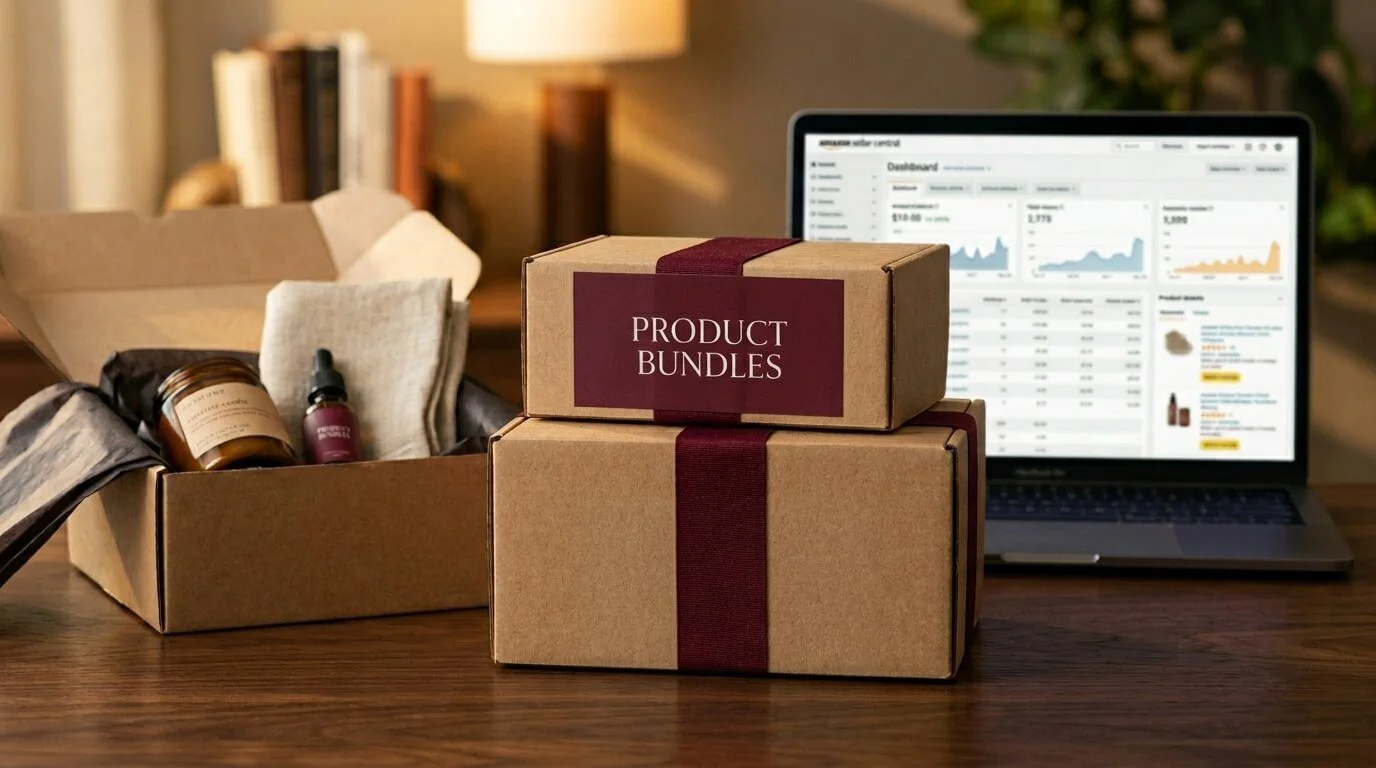
Brand operators on Amazon frequently look to bundles and multi-packs as a straightforward method to lift average order value and maximize the efficiency of every customer transaction. By grouping complementary items or increasing the quantity of a single product within one purchase, operators hope to capture a larger share of the customer wallet while offsetting fixed advertising costs. However, these strategies introduce hidden operational complexities that can quickly erode the very margins they are intended to secure.
The decision to introduce bundled formats requires a clear understanding of unit economics, consumer habits, and supply chain constraints. When executed without proper scrutiny, multi-packs can disguise underlying inventory inefficiencies and create unexpected fulfillment friction. Evaluating these formats demands a disciplined approach that looks beyond gross revenue to measure true profitability at the SKU level.
Identifying Genuine Utility versus Artificial AOV Expansion
A successful bundle must solve a distinct problem for the buyer, creating an incentive to purchase items together rather than separately. When products are bundled simply because they occupy space in the warehouse, the consumer often perceives little added value. True utility arises when items complement each other in daily use, such as a specialized cleaning tool paired with a proprietary refill cartridge, making the combined purchase more convenient than sourcing them independently.
Conversely, operators sometimes use bundles to mask sluggish demand for stagnant inventory by attaching slow-moving goods to a high-velocity flagship product. This tactic frequently fails because savvy shoppers recognize mismatched pairings or resent paying for items they do not actually need. If the combination does not reduce friction or offer a logical cost advantage, the bundle will struggle to sustain organic conversion rates once initial promotional momentum fades.
Navigating Cannibalization Risks across the Catalog
Introducing multi-packs into an established catalog inevitably creates competition with existing single-unit listings. Customers who previously purchased individual units may shift to the larger format to secure a perceived discount, altering the velocity profile of the original ASIN. This shift can disrupt existing advertising campaigns, as algorithms trained on single-unit conversions must adapt to new purchasing patterns and different price points.
To mitigate this risk, operators must evaluate whether the multi-pack attracts entirely new buyers or merely shifts existing customers to a lower margin tier. If the larger format simply cannibalizes single-unit sales without increasing total consumption volume, the business may experience a net loss in profitability due to lower realized prices and promotional allowances. Differentiating the target audience for each format helps ensure that multi-packs serve expansion goals rather than undermining core listings.
Review and Return Dynamics in Multi-Pack Formats
Product reviews and customer feedback take on amplified significance when multiple items are packaged together. If a single component within a bundle fails to meet expectations or arrives damaged, the entire purchase receives a negative rating, penalizing the broader ASIN. This heightened vulnerability means quality control must be exceptionally rigorous, as minor manufacturing flaws that might be tolerated in a single unit become major grievances in a multi-item package.
Return logistics also present unique challenges for bundled and multi-pack inventory. Customers requesting a refund often expect to return the entire package, even if only one item was defective or unsatisfactory. This dynamic increases reverse logistics costs and complicates inventory restoration, as returned multi-packs frequently require manual inspection, repackaging, or disposal before they can be returned to active inventory status.
Fulfillment Costs and Unit Margin Realities
Fulfillment economics shift dramatically when moving from single units to bundled configurations. While picking a single multi-pack can reduce labor overhead compared to processing separate orders, the increase in dimensional weight and package volume often triggers higher fulfillment fees. Operators must carefully calculate how dimensional size tiers affect fulfillment costs before committing to a final retail price.
Furthermore, storage fees and inventory carrying costs behave differently for bundled goods. Maintaining separate stock for individual items as well as pre-packaged bundles ties up working capital and complicates demand forecasting. If sales velocity shifts unexpectedly between the single unit and the bundle, excess inventory can accumulate rapidly, leading to long term storage surcharges that outweigh the initial gains in average order value.
Strategic Testing and Iterative Catalog Expansion
Before committing significant capital to custom packaging or large manufacturing runs, operators should test bundling concepts using low friction methods. Virtual bundles or parent-child variation structures allow brands to gauge market interest without incurring immediate packaging expenses. Observing how customers interact with these initial offerings provides valuable data regarding price sensitivity and demand alignment.
Once a bundle demonstrates sustainable organic traction, operators can transition the concept into a dedicated physical ASIN with optimized packaging. Continuous monitoring of conversion rates, advertising acos, and net margin ensures that the format remains profitable over time. If performance stagnates, the brand should be prepared to sunset the bundle rather than artificially sustaining it through excessive discounting.
Balancing the appeal of higher average order values against the realities of fulfillment costs, cannibalization, and review risks requires continuous oversight. Multi-packs and bundles are powerful tools for expanding market share when they address genuine consumer needs and maintain healthy unit economics, but they should never be used as a shortcut to fix underlying catalog deficiencies.
Navigating these strategic decisions alongside day-to-day execution demands specialized expertise across multiple operational disciplines. For brands seeking external guidance, partnering with a full service Amazon agency can provide a structured operating rhythm that aligns advertising, catalog architecture, creative production, and account management to protect long term profitability.
