

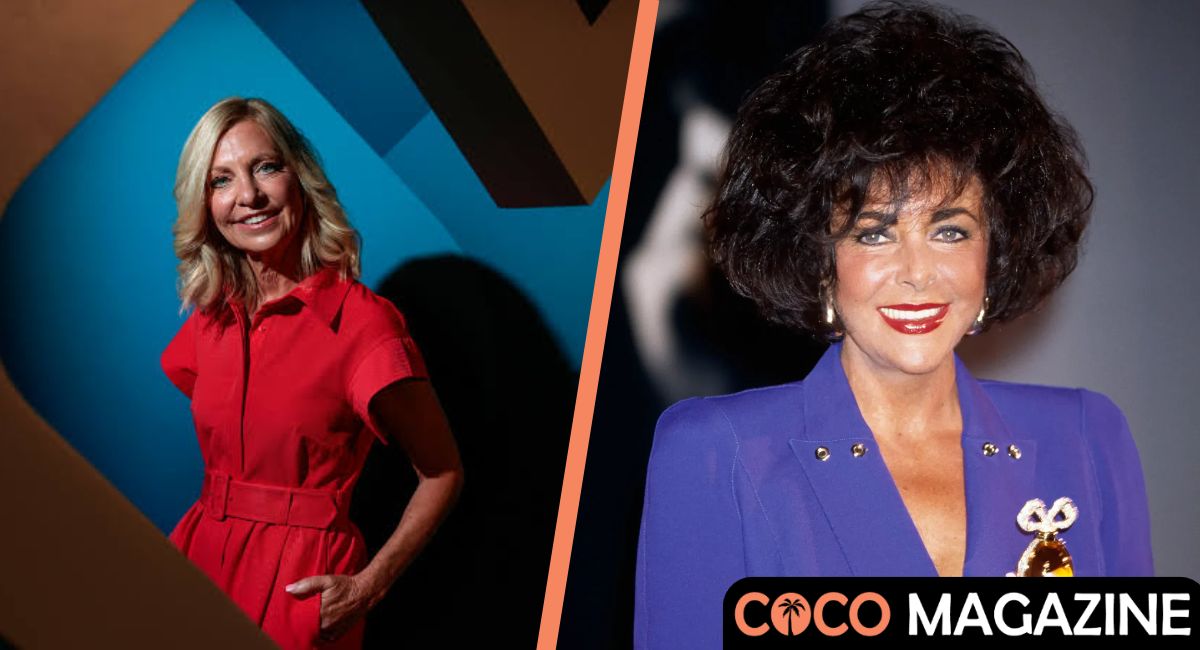
The search for Karen Lynch and Elizabeth Taylor often raises questions about a possible connection between two influential women. However, their lives and careers followed very different paths. Karen Lynch built her reputation through healthcare leadership, serving as the former president and CEO of CVS Health after holding senior positions at Aetna and other companies. Elizabeth Taylor became a legendary Hollywood actress, celebrated for her memorable performances, beauty, and award-winning career.
She also earned lasting respect through her HIV/AIDS activism and humanitarian work. Although their names appear together online, no verified family or professional relationship connects them. Exploring their backgrounds reveals two distinct stories of achievement, influence, and legacy.
Quick Facts About Karen Lynch and Elizabeth Taylor
Although Karen Lynch and Elizabeth Taylor share space in online searches, their personal histories and professional achievements are quite different. Karen Lynch built a career around healthcare management, corporate strategy, and executive leadership. Elizabeth Taylor spent decades entertaining audiences before using her fame to support important humanitarian causes. Understanding their basic biographies makes it easier to separate their individual identities from assumptions about a shared connection.
The following table provides a quick overview of both women. It highlights their backgrounds, careers, and most recognized contributions.
| Quick Facts | Karen Lynch | Elizabeth Taylor |
| Full Name | Karen S. Lynch | Elizabeth Rosemond Taylor |
| Date of Birth | August 30, 1963 | February 27, 1932 |
| Birthplace | Ware, Massachusetts, USA | Hampstead, London, England |
| Profession | Healthcare executive | Actress and humanitarian |
| Education | Boston College and Boston University | Attended school in the United States and England |
| Major Association | CVS Health and Aetna | Hollywood and Elizabeth Taylor AIDS Foundation |
| Notable Achievement | Former CVS Health president and CEO | Two Academy Awards for Best Actress |
| Industry | Healthcare and business | Film and entertainment |
| Humanitarian Contribution | Healthcare industry leadership | HIV/AIDS awareness and fundraising |
| Known For | Corporate leadership | Acting, philanthropy, and activism |
Are Karen Lynch and Elizabeth Taylor Related? The Real Connection Explained
One of the biggest questions surrounding Karen Lynch and Elizabeth Taylor concerns their possible family relationship. People searching for both names may assume that the women share relatives or have some personal history. However, their established biographies do not document a family relationship between them. Karen Lynch comes from a Massachusetts background, while Elizabeth Taylor was born in England to American parents. Their different family histories provide important context when examining this question.
There is also no established evidence that they maintained a friendship or worked together professionally. Karen’s career centered on healthcare companies such as Aetna and CVS Health. Taylor’s public work focused on cinema, humanitarian causes, and HIV/AIDS advocacy. Although both women influenced important areas of American life, their achievements do not establish a direct partnership. Therefore, the Karen Lynch Elizabeth Taylor relationship should be understood as an online search association rather than a verified personal connection.
Is There Any Family Connection Between Karen Lynch and Elizabeth Taylor?
Family connections often attract public attention when two well-known people appear together in search results. In this case, however, available biographical records do not establish that Karen Lynch and Elizabeth Taylor belonged to the same family. Taylor was born in London in 1932 to American parents, Francis Lenn Taylor and Sara Sothern. Her family moved to California during World War II, where her acting career began. Karen Lynch, meanwhile, was born in Ware, Massachusetts, in 1963. Her public biography focuses mainly on her upbringing, education, and professional development.
The Karen Lynch family connection question has no verified answer suggesting that the women were relatives. Their shared appearance in online discussions should not be treated as evidence of a family relationship. Elizabeth Taylor had a large and well-documented family history, including her children and marriages. Karen Lynch has also maintained a professional public profile. However, no reliable source connects their family trees. Without credible documentation, claims about a Karen Lynch Elizabeth Taylor family relationship would be misleading.
Did Karen Lynch and Elizabeth Taylor Ever Meet or Work Together?
Another interesting question is whether these women ever crossed paths during their lifetimes. Elizabeth Taylor died on March 23, 2011, after a celebrated career in film and humanitarian work. Karen Lynch was already developing her healthcare leadership career during that period. However, no reliable public record establishes that they met, became friends, or participated in a shared professional project. Their careers followed separate paths, even though both attracted public attention.
Their different professional environments also explain why a direct collaboration seems unlikely to be a meaningful part of either biography. Taylor worked with filmmakers, actors, charities, and medical advocacy organizations. Lynch developed her career through healthcare management companies and corporate leadership positions. Both women could support causes related to public welfare, but that similarity doesn’t prove they collaborated. The available evidence supports treating their stories independently.
Is There Any Documented Professional or Charitable Connection?
A closer look at their professional histories reveals no established business or charitable partnership. Karen Lynch became known for leading healthcare organizations and overseeing major corporate operations. Her work involved insurance services, pharmacy benefits, and healthcare delivery. Elizabeth Taylor supported medical research, public education, and direct services for people living with HIV/AIDS. These activities placed both women near healthcare discussions, but their roles were very different.
Taylor’s humanitarian work included her involvement with amfAR and the Elizabeth Taylor AIDS Foundation. Lynch’s career involved companies such as Aetna, Cigna, Magellan Health Services, and CVS Health. Neither organization’s publicly documented history establishes a partnership between Lynch and Taylor. Their connection is therefore best described as an association created by online interest rather than a confirmed professional relationship. This distinction matters because accurate biographies should rely on documented events instead of assumptions.
Who Is Karen Lynch? Early Life, Education, and Background
Behind Karen Lynch’s corporate achievements lies a personal story shaped by determination and professional ambition. Karen S. Lynch was born in Ware, Massachusetts, and later built an impressive career in the American healthcare industry. Her early experiences helped shape her interest in business and leadership. Although she generally keeps her personal life away from public attention, her professional background offers a clear picture of her journey. She eventually became one of the most recognizable women in American healthcare management.
The Karen Lynch early life story is particularly interesting because she didn’t begin her career as a major corporate executive. She developed her experience through education, accounting, and management roles. Her academic background includes Boston College and Boston University, where she completed her undergraduate and graduate studies. These institutions helped prepare her for demanding business responsibilities. Over time, she gained experience in several major healthcare organizations and became known for her practical approach to business management.
Karen Lynch’s Childhood, Family, and Education
Karen Lynch grew up in Ware, a small town in Massachusetts. Her early years included personal challenges that shaped her outlook on life and work. She later pursued higher education and developed an interest in accounting and business management. Lynch attended Boston College, where she earned a bachelor’s degree in accounting. She also completed an Executive MBA at Boston University. These qualifications provided a strong foundation for her future in corporate management. Her education helped her understand financial planning, organizational decisions, and the responsibilities of leading large businesses.
Her Karen Lynch education became an important part of her professional development. Accounting gave her practical knowledge of business finances, while graduate-level management studies expanded her understanding of corporate operations. She later built a career that required financial discipline and strategic thinking. Her journey also shows how education can open doors to leadership opportunities in complex industries. Rather than entering the public spotlight through entertainment or politics, Lynch established her reputation through years of professional work.
Karen Lynch’s Early Career and Professional Journey
Before becoming a household name in healthcare business discussions, Lynch developed her professional skills through accounting and executive roles. She began her career at Ernst & Young, where she worked as a certified public accountant. This experience exposed her to financial reporting, business operations, and organizational management. She later moved into the healthcare sector, where she found opportunities to apply those skills on a larger scale. Her work eventually connected her with organizations such as Cigna and Magellan Health Services.
Her professional development demonstrates why she became a respected healthcare executive. At Magellan Health Services, Lynch served as president and gained experience managing healthcare-related operations. She also held executive positions at Cigna before joining Aetna. These roles strengthened her understanding of insurance services, healthcare management, and business strategy. Her Karen Lynch career journey wasn’t built overnight. Instead, she advanced through several demanding positions that prepared her for larger leadership responsibilities. Her background also helped establish her reputation in women in corporate leadership.
Karen Lynch’s Journey at Aetna
Aetna became one of the most important chapters in Karen Lynch’s professional life. She joined the company in 2012 and gradually took on senior responsibilities. Her leadership experience covered specialty products, local and regional business operations, and broader organizational strategy. In 2015, she became president of Aetna. This appointment marked a major milestone because she became the company’s first female president. It also strengthened her position as an influential figure in American healthcare management.
Lynch continued leading Aetna after CVS Health announced its acquisition of the company in 2017. The transaction created opportunities to connect insurance services with pharmacy operations and other healthcare offerings. Lynch later became an executive vice president of CVS Health and continued serving as Aetna president until January 2021. Her experience during this period prepared her for the company’s top leadership position. It also gave her a central role in discussions about Healthcare integration and Healthcare accessibility in the United States.
Karen Lynch’s Career at CVS Health and Leadership Achievements

Karen Lynch reached a major professional milestone when she became CVS Health president and CEO on February 1, 2021. Her appointment placed her in charge of one of America’s largest healthcare organizations. CVS Health operates across several important areas, including retail pharmacies, health insurance, and pharmacy benefit services. Leading such a large organization required financial knowledge, strategic planning, and an understanding of changing patient needs. Lynch entered the position with decades of experience and a clear understanding of the healthcare business.
Her time at CVS Health attracted attention from business leaders and the media. She became a prominent Fortune 500 female CEO and helped guide the company’s efforts to connect different parts of the healthcare system. Her Karen Lynch leadership style emphasized integrated services and consumer-focused care. However, the company also faced difficult business conditions during her tenure. Financial pressures, insurance-related challenges, and changing healthcare costs created demanding decisions. Lynch stepped down as CEO in October 2024, and David Joyner took over the position.
Becoming President and CEO of CVS Health
On February 1, 2021, Karen Lynch officially became the president and CEO of CVS Health. She succeeded Larry Merlo, who had led the company before her appointment. Her promotion represented an important moment for Female leadership in America because she became one of the most powerful women in the healthcare business. CVS Health had already expanded beyond its traditional pharmacy operations. It now included insurance and healthcare services through its different business divisions. Lynch inherited an organization with enormous responsibilities and opportunities.
Her appointment also reflected the company’s interest in building a more connected healthcare system. CVS Health had acquired Aetna in 2018, bringing insurance operations into its wider business structure. This combination created opportunities to connect pharmacy services, health benefits, and patient care. Lynch understood the potential of that model because she had previously led Aetna. Her role involved overseeing a large workforce and serving millions of Americans through different healthcare services. Her appointment therefore represented more than a change in leadership. It marked another stage in the company’s long-term transformation.
Karen Lynch’s Leadership Style and Business Strategy
Lynch’s approach to management focused heavily on connecting healthcare services and making care easier to access. She supported a model that brought insurance, pharmacy services, and community healthcare closer together. For example, CVS Health could use its pharmacy network and MinuteClinic locations to connect customers with different healthcare resources. This approach reflected the growing demand for convenient services in the United States. It also addressed wider questions about Healthcare affordability, primary care, and the role of local pharmacies in the healthcare system.
Another important part of her strategy involved the relationship between health plans and prescription services. CVS Health operates through different divisions that support insurance members, employers, and patients. Its business includes Medicare Advantage, prescription drug pricing, and pharmacy benefit management. These areas involve complex financial and regulatory decisions. Lynch’s corporate strategy aimed to bring these services together under one organization. Supporters viewed this model as an opportunity to simplify care. However, critics continued to raise questions about costs, competition, and transparency in the healthcare market. These wider debates show the challenges facing modern Healthcare industry leadership.
Major Career Achievements, Challenges, and Recognition
Karen Lynch’s business achievements extend beyond her time at CVS Health. Before becoming CEO, she held important positions at Aetna, Cigna, and Magellan Health Services. She also built a reputation as a senior business leader through years of experience in accounting and healthcare operations. Her achievements earned recognition from major business publications. Fortune, Forbes, and other organizations highlighted her influence and leadership. In 2021, Forbes included her on its inaugural 50 Over 50 list. Fortune also recognized her among its most powerful women in business.
However, leading a major healthcare company also brought significant challenges. CVS Health faced pressure from rising medical costs, insurance performance concerns, and a changing competitive environment. The company needed to balance patient services with financial performance and shareholder expectations. Lynch stepped down from her CEO position effective October 17, 2024. CVS Health appointed David Joyner as her successor. This leadership change marked the end of her time at the top of the company. Still, her Karen Lynch corporate leadership journey remains an important example of advancement in American healthcare business.
Who Was Elizabeth Taylor? Early Life and Hollywood Career
Few Hollywood stars achieved the lasting recognition that Elizabeth Taylor enjoyed during her lifetime. Elizabeth Rosemond Taylor was born on February 27, 1932, in London, England, to American parents. Her family moved to Los Angeles during World War II, where the entertainment industry soon became part of her life. Taylor showed an early interest in acting and entered the film business as a child. Her beauty attracted attention, but her talent and screen presence helped her build a career that lasted more than six decades.
The Elizabeth Taylor early life story offers an interesting look at how a young performer became an international star. She moved from child roles to leading performances in major Hollywood productions. Her acting career included romantic dramas, historical films, and serious character performances. Movies such as National Velvet, Giant, Butterfield 8, and Who’s Afraid of Virginia Woolf? helped establish her reputation. Beyond acting, Taylor became a successful businesswoman and humanitarian. Her story combines cinema, personal resilience, entrepreneurship, and a lasting commitment to charitable work.
Elizabeth Taylor’s Childhood and Rise to Stardom
Elizabeth Taylor spent her early childhood in England before moving with her family to the United States. Her father, Francis Lenn Taylor, worked as an art dealer, while her mother, Sara Sothern, had experience as an actress. After settling in California, Taylor began attracting attention from people in the entertainment industry. She made her film debut in 1942 and appeared in several productions during her childhood. However, her breakthrough came with National Velvet in 1944. The film introduced her to a much wider audience and helped establish her as a promising young performer.
Her early success opened the door to larger opportunities at Metro-Goldwyn-Mayer. Taylor continued appearing in films as she moved from childhood into adulthood. Her performances showed that she could handle more demanding roles beyond her youthful screen image. She later starred in A Place in the Sun, which became an important milestone in her career. Her work with established actors and directors helped her develop as a performer. By the 1950s, she had become one of Hollywood’s most recognizable leading ladies. Her rise also reflected the power of the studio system during Hollywood’s golden age.
Elizabeth Taylor’s Most Famous Movies and Acting Achievements
Elizabeth Taylor’s filmography includes several productions that remain important in American cinema. Her performance in Giant showed her ability to handle complex dramatic roles. She later appeared in Cat on a Hot Tin Roof, a film that further demonstrated her emotional range. In Butterfield 8, she played a troubled character whose personal struggles shaped the story. The performance earned her the Academy Award for Best Actress in 1961. This recognition confirmed that audiences and critics valued her acting ability beyond her glamorous public image.
Her career reached another major point with Cleopatra in 1963. Taylor played the famous Egyptian queen and became the first actress to receive a reported $1 million salary for a film role. The production attracted enormous attention because of its scale, cost, and public interest in her relationship with Richard Burton. Later, she delivered another celebrated performance in Who’s Afraid of Virginia Woolf? Her portrayal earned her second Academy Award for Best Actress in 1967. These films remain important examples of her talent and help explain her enduring Elizabeth Taylor Hollywood legacy.
Academy Awards, Honors, and Hollywood Recognition
Elizabeth Taylor received five Academy Award nominations for her acting performances. She won the Best Actress Oscar for Butterfield 8 and Who’s Afraid of Virginia Woolf? These Elizabeth Taylor Academy Awards reflected her ability to portray characters with emotional depth. Her success also brought recognition from organizations beyond the film industry. In 1993, she received the Jean Hersholt Humanitarian Award for her work supporting people affected by HIV/AIDS. This honor recognized her contribution to humanitarian causes as well as her public influence.
Taylor received several other important honors during her lifetime. France awarded her the Légion d’honneur for her contributions to humanitarian work. Queen Elizabeth II appointed her a Dame Commander of the Order of the British Empire in 2000. She also received the Presidential Citizens Medal in the United States. These achievements demonstrate why her influence extended beyond acting. Her Elizabeth Taylor Oscar wins remain central to her film biography. However, her charitable contributions eventually became just as important to the way many people remembered her.
Elizabeth Taylor’s Philanthropy, HIV/AIDS Activism, and Humanitarian Legacy
Elizabeth Taylor’s influence reached far beyond movie theaters and award ceremonies. During the 1980s, she became one of the most outspoken celebrities supporting people affected by HIV/AIDS. At that time, many people misunderstood the disease, and fear often prevented honest public conversations. Taylor decided to use her fame to challenge that silence. Her involvement in HIV/AIDS awareness helped bring attention to patients who faced discrimination and limited support. She raised money, attended public events, and encouraged political leaders to take the epidemic seriously.
Her humanitarian work became one of the defining parts of her later life. She supported amfAR, helped raise funds for medical research, and established the Elizabeth Taylor AIDS Foundation in 1991. Her efforts also included support for the Ryan White CARE Act, which expanded federal assistance for people affected by HIV/AIDS. Through these activities, Taylor demonstrated how celebrity influence could support meaningful social change. Her Elizabeth Taylor philanthropy remains an important example of compassion, public responsibility, and long-term humanitarian commitment.
Elizabeth Taylor’s Role in Raising HIV/AIDS Awareness
When HIV/AIDS emerged as a major public health crisis, misinformation and prejudice created enormous difficulties for affected communities. Many people living with the disease faced rejection from workplaces, families, and wider society. Elizabeth Taylor recognized that public silence made the situation worse. Her involvement became more personal after her close friend and fellow actor Rock Hudson became seriously ill and died from AIDS in 1985. His experience helped motivate Taylor to become a stronger advocate for people affected by the epidemic.
Taylor used interviews, fundraising events, and public appearances to encourage greater understanding. She spoke about the importance of compassion and access to medical support. Her celebrity status helped bring attention to an issue that many public figures avoided discussing. She also challenged the belief that HIV/AIDS affected only certain groups of people. Her HIV/AIDS activism encouraged audiences to look beyond stereotypes and recognize the human stories behind the crisis. This work helped establish her as one of the earliest globally recognized celebrity advocates for people living with HIV.
Elizabeth Taylor and amfAR
The American Foundation for AIDS Research, widely known as amfAR, became an important part of Taylor’s humanitarian journey. She helped establish the organization in 1985 alongside medical researchers and other advocates. One important figure in this effort was Mathilde Krim, a scientist and activist who played a major role in AIDS research and public education. Taylor brought international attention to the organization’s mission through her celebrity influence. She also became its founding international chairperson and helped raise funds for research programs.
Taylor’s involvement went beyond lending her name to a charitable organization. She attended fundraising events, spoke publicly, and encouraged wealthy supporters to contribute. Her work helped make AIDS research a more visible public concern. At a time when scientific organizations needed funding and patients needed support, her participation attracted attention from influential communities. The partnership between celebrity advocacy and medical research became an important example of Celebrity humanitarian work. Today, amfAR continues supporting research aimed at preventing and treating HIV/AIDS.
The Elizabeth Taylor AIDS Foundation
Elizabeth Taylor established the Elizabeth Taylor AIDS Foundation (ETAF) in 1991. She wanted to support direct services for people living with HIV/AIDS rather than focusing exclusively on scientific research. The foundation developed programs supporting care, education, prevention, and assistance for vulnerable communities. Taylor believed that people affected by the disease deserved dignity and practical help. Her charitable organization reflected that belief through its focus on people who often struggled to access essential services.
The foundation continues to carry forward Taylor’s mission after her death in 2011. Its work includes supporting organizations that provide services to communities affected by HIV. It also promotes education and efforts to reduce discrimination. One of the most meaningful parts of the foundation’s history is its connection to Taylor’s personal commitment. She wanted people to receive care without facing judgment because of their medical condition. Her legacy demonstrates how charitable foundations can preserve an individual’s values and turn them into lasting community support.
Elizabeth Taylor’s Lasting Impact on Public Health
Taylor’s activism also reached American lawmakers and government institutions. She supported the Ryan White CARE Act, which aimed to improve access to medical care for people living with HIV/AIDS. She testified before Congress and encouraged stronger government support for affected communities. Her involvement helped bring public attention to the needs of people who lacked adequate treatment and assistance. This work connected entertainment influence with practical Healthcare advocacy and Public health awareness.
Her contribution also helped change the public conversation surrounding HIV/AIDS. Taylor encouraged people to discuss prevention, medical treatment, and discrimination openly. She supported Medical research funding and helped raise millions of dollars through fundraising activities. Her advocacy did not replace the work of doctors, researchers, or community organizations. Instead, it helped bring their work to a much larger audience. Her story remains a powerful example of how a public figure can support HIV/AIDS research, AIDS awareness, and humanitarian activism beyond a traditional entertainment career.
Karen Lynch and Elizabeth Taylor: Career Comparison and Different Forms of Influence

Although Karen Lynch and Elizabeth Taylor followed different professional paths, their stories offer an interesting comparison. Lynch built her reputation through business management and healthcare leadership. Taylor became famous through acting before developing an influential humanitarian career. Both women gained public recognition, but they used their positions in different ways. Lynch worked within large organizations to influence healthcare services and corporate decisions. Taylor used her celebrity platform to raise awareness and support people facing a serious public health crisis.
Their differences are more important than any assumed connection between them. Lynch’s achievements belong to the business world, while Taylor’s influence covers entertainment, philanthropy, and social advocacy. Both stories reflect the changing opportunities available to women in public life. They also show that influence doesn’t have one definition. A business executive can affect millions through organizational decisions, while an actress can influence public attitudes through visibility and advocacy. These Karen Lynch and Elizabeth Taylor similarities should therefore be understood in a broad social context rather than as evidence of a personal relationship.
Two Different Career Paths: Healthcare Leadership vs. Hollywood Stardom
Karen Lynch built her career through education, accounting, and management. Her experience at Ernst & Young, Cigna, Magellan Health Services, and Aetna prepared her for senior corporate responsibilities. She eventually became the leader of CVS Health, where she oversaw a major healthcare organization. Her professional journey required financial knowledge, business planning, and an understanding of the American healthcare market. Her influence came from managing complex services and guiding a large company through changing industry conditions.
Elizabeth Taylor followed a completely different route. She entered the entertainment industry as a child and developed into an internationally recognized actress. Her performances attracted audiences and earned critical recognition. Films such as National Velvet, Giant, Cleopatra, and Cat on a Hot Tin Roof established her reputation. Her work with Richard Burton also attracted international attention. Later, she used her fame to support humanitarian causes. These different journeys explain the Karen Lynch and Elizabeth Taylor differences more clearly than any superficial comparison based on public recognition.
Leadership, Public Recognition, and Professional Achievements
Lynch’s professional influence came from her ability to manage large healthcare businesses. Her career involved corporate planning, insurance services, pharmacy operations, and executive decision-making. She became a prominent name in executive leadership and business achievements. Her recognition from Fortune and Forbes reflected her position in the business community. She also became a visible example of female empowerment within an industry traditionally dominated by large institutions and complex management structures.
Taylor earned recognition through a combination of acting talent and public influence. Her two Best Actress Academy Awards confirmed her position as a leading performer. However, her business achievements also deserve attention. She developed successful fragrance products, including White Diamonds perfume, and became an influential figure in celebrity branding. Her Elizabeth Taylor business ventures demonstrated that her interests extended beyond cinema. Her commercial success, combined with her humanitarian work, created a legacy that reached entertainment, business, and charitable organizations.
Their Contributions to Society and Public Awareness
Karen Lynch’s work focused mainly on improving the business side of healthcare delivery. Through her leadership at CVS Health, she helped guide discussions about insurance, pharmacy services, and more connected patient care. Her professional influence involved decisions affecting customers, employees, and healthcare partners. Although corporate leadership doesn’t guarantee better outcomes for every patient, it plays an important role in shaping how services reach communities. Her career therefore offers a useful example of how business decisions can influence Healthcare affordability and access.
Elizabeth Taylor’s contributions took a more direct public advocacy approach. She used her fame to encourage donations, challenge stigma, and support people affected by HIV/AIDS. Her work with amfAR and her own foundation helped strengthen charitable responses to the epidemic. Taylor also showed that public figures could help medical organizations reach audiences beyond scientific and political circles. Both women influenced important areas of society, but their methods differed. Lynch worked through corporate structures, while Taylor used public visibility and Healthcare advocacy to support humanitarian causes.
What Makes Their Legacies Different?
A person’s legacy often reflects the decisions they make and the people their work affects. Karen Lynch’s professional legacy centers on healthcare management and the growing role of integrated services in the United States. Her career demonstrates the opportunities available to women who pursue demanding corporate positions. She advanced through several organizations before leading CVS Health. Her experience also illustrates the responsibilities that come with managing a large company in a highly regulated industry.
Elizabeth Taylor left a broader cultural and humanitarian legacy. Her performances continue to attract audiences, while her charitable work remains active through the foundation established in her name. Her support for HIV/AIDS causes helped change public attitudes during a difficult period. She also showed that Business and entertainment influence could extend beyond commercial success. These Public figures and their legacies represent two different ways of making an impact. Neither story requires a family relationship or shared professional history to deserve attention.
Why Are Karen Lynch and Elizabeth Taylor Searched Together Online?
The unusual search association between Karen Lynch and Elizabeth Taylor raises an interesting question about how people discover information online. Search engines often connect names through related queries, website content, and articles discussing similar subjects. When two public figures appear together in headlines, readers may assume they have a shared history. However, search visibility doesn’t automatically indicate a family connection, friendship, or professional relationship. In this case, their names bring together two different areas of public interest: healthcare leadership and Hollywood history.
Another possible reason behind this interest is their influence as successful women in different industries. Lynch became a prominent business executive, while Taylor achieved international fame and later supported humanitarian causes. Both women attracted media attention and built recognizable public identities. Their stories also involve healthcare in different ways. Lynch worked within the healthcare business, while Taylor supported HIV/AIDS research and patient services. These overlapping themes may help explain the search association, but they don’t establish a documented connection between them.
Understanding the Search Interest Behind Their Names
Online searches often combine names for reasons that aren’t immediately obvious. A website might publish an article comparing two public figures, or a search engine might identify related content based on shared topics. Over time, repeated headlines can create a stronger association between names. Readers then search for both people because they want to understand why the combination appears online. This process doesn’t necessarily begin with a real-life relationship. Sometimes, curiosity about an unusual headline is enough to create additional search interest.
The search engine association between Karen Lynch and Elizabeth Taylor may also reflect interest in influential women and their achievements. Both women built recognizable careers, although their industries were different. Lynch became associated with major healthcare companies, while Taylor became known for films and humanitarian activism. Their stories can appear together in discussions about leadership, public influence, and women’s achievements. Still, readers should distinguish search trends from historical evidence. A popular query can introduce an interesting topic, but reliable biographies and official records must establish the facts.
Similarities, Public Influence, and Common Misconceptions
Despite their different careers, Karen Lynch and Elizabeth Taylor share a few broad similarities. Both became influential women who earned recognition through years of professional work. Lynch demonstrated determination in a competitive corporate environment. Taylor built a successful acting career and later used her fame to support important social causes. Their stories also show how women can influence society through different forms of achievement. These broad similarities provide a reasonable basis for comparison without suggesting that they knew each other personally.
However, several misconceptions can arise when readers encounter their names together. Some may assume they were relatives, friends, or business partners. Others might believe that Taylor worked with CVS Health because of her humanitarian activities. None of these suggestions should be presented as fact without credible documentation. Their respective biographies establish different professional histories. A responsible article should explain those differences rather than create an artificial connection. The most meaningful comparison focuses on their achievements, values, and influence within their own industries.
What Verified Information Actually Reveals
The available historical and professional records tell two separate stories. Karen Lynch built her reputation through healthcare management, including leadership positions at Aetna and CVS Health. Elizabeth Taylor became a celebrated actress and later a major advocate for people affected by HIV/AIDS. Their documented achievements provide plenty of useful information for readers interested in either woman. However, the available sources do not establish a shared family history, friendship, or professional partnership.
For anyone researching Karen Lynch and Elizabeth Taylor, the most important lesson is to separate verified facts from online assumptions. Their names may appear together in articles and search results, but that doesn’t change their individual biographies. Lynch’s influence belongs to corporate healthcare, while Taylor’s legacy includes cinema, philanthropy, and public health advocacy. Understanding these differences provides a much clearer answer than searching for an unsupported connection. Both women deserve recognition for their own accomplishments.
Conclusion: Understanding the Real Stories of Karen Lynch and Elizabeth Taylor
The story of Karen Lynch and Elizabeth Taylor brings together two remarkable women from very different professional worlds. Karen Lynch built an impressive career in healthcare management and eventually became the CEO of CVS Health. Elizabeth Taylor earned worldwide fame through her acting talent and later became a powerful advocate for people affected by HIV/AIDS. Their professional achievements show how women can influence society through business, entertainment, and humanitarian work. Although their names appear together online, no verified evidence establishes a family relationship or direct professional connection.
Understanding their individual stories provides a more meaningful perspective than focusing on an assumed relationship. Lynch’s career highlights corporate leadership and the changing American healthcare industry. Taylor’s life reflects artistic success, business achievements, and a lasting commitment to humanitarian causes. Both women created distinct legacies that continue to attract public interest. Ultimately, their stories remind us that influence takes many forms, and each person’s achievements deserve recognition on their own merits.
FAQ’s About Karen Lynch And Elizabeth Taylor
Who are Karen Lynch and Elizabeth Taylor?
Karen Lynch is a former CVS Health CEO and American healthcare executive. Elizabeth Taylor was a legendary British-American actress and humanitarian.
What happened to Karen Lynch?
Karen Lynch stepped down as CVS Health CEO on October 17, 2024. David Joyner succeeded her in the role.
Who did Elizabeth Taylor say was best in bed?
Elizabeth Taylor was famously associated with Richard Burton, but there is no reliably verified public statement establishing whom she called the best in bed.
Which actress looks like Elizabeth Taylor?
Actresses such as Megan Fox and Eva Green are sometimes compared to Elizabeth Taylor because of their striking features and dark, expressive eyes.
What did Elizabeth Taylor weigh at her heaviest?
Some reports claim Elizabeth Taylor weighed around 180 pounds (82 kg) at her heaviest, but this figure is not firmly verified.
People Read Also: Kevin Corke Spouse: Is He Married to Rebecca Ramanda? The Truth About His Personal Life

Welcome to Coco Magazine! I’m a digital marketer and content writer with over 9 years of experience, helping brands grow through strategic content and ethical outreach. Guest contributors and collaborators are always welcome here.
1 thought on “Karen Lynch and Elizabeth Taylor: The Truth Behind Their Connection, Careers, and Legacies”