

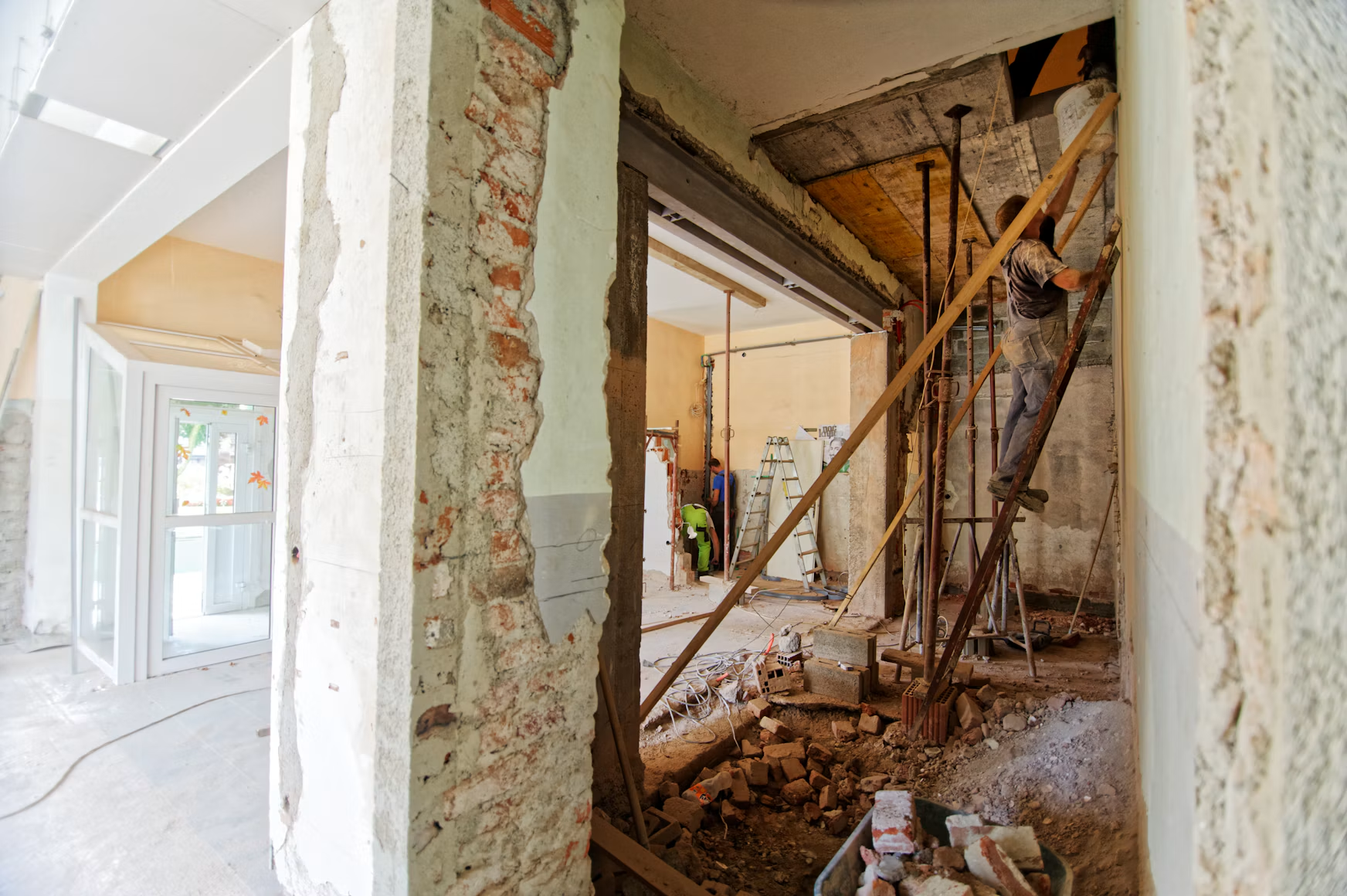
Planning a bathroom renovation can quickly turn into a long list of things you want to change. The tiles may look dated, the vanity might not offer enough storage, and the shower could use an update. Then there are the smaller details: new mirrors, better lighting, modern faucets, and accessories that would make the room feel more complete.
The challenge is deciding where to begin, especially when the budget does not allow for everything at once.
Replacing everything in a single renovation may seem like the easiest approach, but it is not always necessary. Some problems need immediate attention because they can affect the bathroom’s condition or lead to more expensive repairs. Others are largely cosmetic and can wait until there is more room in the budget.
Getting the order right can make a renovation easier to manage. It also helps prevent a common mistake: spending money on new finishes only to discover that something underneath them needs to be repaired or replaced.
Look for the Problems You Cannot See
Before choosing tiles or comparing bathroom fixtures, take a closer look at the bathroom’s condition. Some of the most important renovation work happens behind walls, beneath flooring, and around areas exposed to regular moisture.
A leaking pipe, damaged waterproofing, or persistent moisture problem should never be treated as a minor inconvenience. Even if the bathroom still looks presentable, these issues can gradually damage surrounding materials and lead to costly repairs. Signs such as peeling paint, damp patches, loose tiles, musty odors, or water stains deserve closer inspection.
Plumbing should also be checked before deciding whether to keep the existing layout. Older pipes, recurring drainage problems, and unreliable water supply can affect how well the bathroom functions. Electrical concerns, particularly around lighting and outlets in wet areas, should be assessed by a qualified professional.
Ventilation is another detail worth checking early. A bathroom that stays damp long after a shower may have an inadequate exhaust system or poor airflow. Over time, excess moisture can contribute to mold growth and deterioration of finishes.
These aren’t the most exciting parts of a renovation because they rarely change the bathroom’s appearance immediately. However, addressing them first helps protect the new fixtures, flooring, and finishes from problems that could otherwise return.
Give the Vanity and Storage Some Attention
The vanity is one of the more noticeable features in a bathroom, but its importance goes beyond appearance. It provides counter space, supports the sink, and keeps everyday items within reach. When the design no longer suits the household, the inconvenience tends to become part of the daily routine.
Perhaps the drawers are too shallow for toiletries, the cabinet doors are difficult to open, or the available counter space is barely enough for the essentials. In a shared bathroom, limited storage can make mornings particularly frustrating. When these inconveniences become part of the daily routine, replacing the vanity may be a worthwhile improvement.
Homeowners planning a replacement can explore Ariel Bath’s bathroom vanity collections, which offer different styles, sizes, and storage configurations for various bathroom layouts.
A vanity replacement can also be a good opportunity to reconsider the surrounding arrangement. Check whether the sink is positioned comfortably, whether the cabinet allows enough clearance, and whether the doors and drawers can open without obstructing nearby fixtures.
Replace Fixtures That Have Become Difficult to Use
Once you’ve assessed the bathroom’s basic condition, look at the fixtures themselves. Some may still be in good shape, while others have become inconvenient or unreliable after years of daily use.
A toilet that constantly runs, a faucet that leaks, or a shower that struggles to maintain consistent water temperature may be worth replacing. Persistent drainage issues, cracked fixtures, and components that are difficult to repair are also signs that an upgrade may be more practical than another temporary fix.
Not every older fixture needs to be replaced. A toilet that works properly may still have plenty of useful life left, while a faucet that occasionally needs attention may only require a repair. Replacement becomes more practical when problems keep returning, parts are difficult to find, or repairs are no longer worth the cost.
When replacement is necessary, consider parts availability, ease of cleaning, and long-term reliability. Select a fixture for how it performs in the bathroom, not just how it looks in a product photograph.
Decide Whether the Surfaces Really Need Replacing
Tiles, countertops, flooring, and wall finishes strongly influence how a bathroom looks. They are also among the elements homeowners often want to change first, particularly when the existing design feels dated.
Before removing them, consider their actual condition. Cracked tiles, loose flooring, and damaged grout need attention, particularly when moisture is involved. However, surfaces that remain secure and functional may not need replacing simply because their color or pattern is dated.
There are less disruptive ways to refresh a bathroom’s appearance. Repainting suitable walls, updating grout, replacing selected sections of tile, or changing the countertop may be enough to make the space feel different. The right option will depend on the material and its condition.
Flooring deserves particular consideration because bathroom surfaces need to withstand moisture and regular cleaning. A material that looks attractive but becomes slippery when wet may not be the most practical choice. If replacement is necessary, prioritize suitability and safety before appearance.
Changing surfaces can also involve more work than expected. Removing tiles may affect waterproofing, while replacing countertops can require adjustments to the vanity or plumbing. Knowing these implications before starting can help avoid unexpected costs.
Improve Lighting and Ventilation Before Adding Decorative Details
Lighting is sometimes treated as a finishing touch, but it can make a substantial difference to how comfortable and practical a bathroom feels.
A single overhead light may be enough to illuminate the room, but it may not provide the best visibility around the mirror. Additional lighting near the vanity can make everyday tasks such as shaving, applying makeup, and grooming easier. The placement and brightness of the lights matter just as much as the fixtures themselves.
If the current lighting is poorly positioned or inadequate, address it during the renovation rather than waiting until every other detail is finished. Electrical work and wiring changes are easier to coordinate before the walls and ceilings receive their final finishes.
Ventilation should be considered alongside lighting. An exhaust fan that is too weak for the room or no longer works properly can leave moisture lingering long after the bathroom has been used. Improving airflow can help protect the new finishes and make the space more comfortable.
For everyday use, a well-positioned vanity light and an exhaust fan suited to the room are more useful than decorative lighting alone. Illuminated mirrors and other design features can still be added according to the budget.
Leave the Smaller Design Updates for Later
Not every improvement needs to happen during the main renovation. Some of the easiest changes to postpone are also among the simplest to make later.
Mirrors, towel bars, cabinet handles, soap dispensers, shelves, and other accessories can often be replaced without major construction work. They influence the overall look of the bathroom, but they rarely need to take priority over plumbing, waterproofing, or fixtures that are no longer functioning properly.
The same applies to decorative accents. A feature wall, specialty tile, statement mirror, or upgraded accessories can add personality, but you can consider these additions once the essential work is complete.
These details still have a place in the finished design. Once the larger decisions have been settled, they can help bring the room together.
There is also an advantage to waiting. Once the major fixtures, vanity, flooring, and lighting are in place, it becomes easier to see which decorative elements are actually missing. Homeowners may even find that the bathroom feels complete without some of the extras they originally planned to buy.
A Better Renovation Starts With the Right Order
A bathroom renovation is easier to approach when every decision is not treated as equally urgent. Problems involving moisture, plumbing, electrical work, and damaged fixtures should come first. Improvements to the vanity, storage, surfaces, and lighting can follow, depending on the bathroom’s condition and the household’s needs. Decorative details can be added when the essentials are already in place.
No single renovation schedule works for every home. A bathroom with recurring leaks will have very different priorities from one that is simply outdated. What matters is understanding which changes will protect the space and make it work better before spending on improvements that can wait.
With a little planning, homeowners can make meaningful progress without feeling pressured to replace everything at once. The result is a bathroom that improves in the areas that matter most, with fewer unnecessary expenses along the way.

I am a Professional Blogger and SEO Content Writer with experience in Guest Posting, Link Building and Website Management.I help brands and bloggers grow their online presence with high-quality, SEO-friendly content.For Guest Post, Link Insertion, or Collaboration, please check my Author Sheet or contact me directly.
Sheet: https://docs.google.com/spreadsheets/d/1dSL6rfoVel57abCkDEhow_blq2bZ6pj5f5s5jKHqkC0/edit?gid=0#gid=0
Email: bloggerexpert07@gmail.com
WhatsApp: +923276835545