

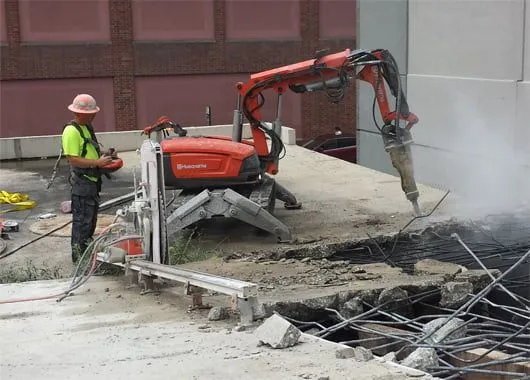
Concrete demolition projects generate some of the heaviest and most challenging debris found on construction sites. Whether contractors are removing driveways, foundations, sidewalks, parking lots, warehouse floors, retaining walls, or structural slabs, the amount of material produced can be substantial. Unlike lighter construction debris, concrete places unique demands on equipment, labor, transportation, and disposal planning because of its weight and volume.
Without a well-organized debris management strategy, broken concrete can quickly create operational bottlenecks that slow demolition progress and interfere with the next phase of construction. Contractors who coordinate removal efforts carefully can maintain cleaner jobsites, improve productivity, and keep projects moving on schedule from demolition through site preparation.
Why Concrete Demolition Creates Unique Waste Challenges
Concrete is one of the densest materials commonly removed during construction projects. Even relatively small demolition jobs can generate several tons of debris within a matter of hours. Large commercial or industrial projects may produce hundreds of tons of material over the course of demolition activities.
Unlike wood, drywall, or packaging materials, concrete reaches weight limits long before it fills available container space. Contractors must account for these weight considerations when planning disposal logistics to avoid delays and unnecessary hauling complications.
The sheer mass of concrete debris requires a specialized approach to waste management throughout the project.
Planning Debris Removal Before Demolition Begins
One of the most important steps in managing concrete demolition debris is developing a disposal strategy before equipment arrives on-site. Once breaking and removal operations begin, debris accumulates rapidly, leaving little time to react if disposal systems are not already in place.
Contractors should estimate the total amount of concrete being removed, evaluate loading requirements, and coordinate appropriate disposal resources before demolition starts. Planning should also include determining where debris will be staged, how it will be loaded, and how removal activities will align with the project schedule.
Preparation helps prevent interruptions and allows demolition crews to maintain productivity throughout the project.
Coordinating Removal with Demolition Operations
Concrete demolition often moves quickly, especially when using modern breaking and excavation equipment. As slabs and structures are removed, debris can accumulate faster than hauling operations can keep pace if removal schedules are not coordinated properly.
Contractors should align debris removal with active demolition work so broken concrete is continuously moved away from the work area. Maintaining a steady flow of material prevents large stockpiles from forming and allows crews to continue demolition without unnecessary delays.
Effective coordination keeps both demolition and disposal operations moving efficiently.
Timing is critical when managing heavy debris streams.
Using Proper Disposal Equipment
Because concrete debris is extremely heavy, selecting the right disposal equipment is essential. Containers and hauling systems must be capable of handling dense materials without creating transportation or loading challenges.
Working with providers such as Waste Removal USA helps contractors identify disposal solutions that support the specific demands of concrete demolition projects. Proper container selection helps improve efficiency while supporting smoother hauling operations throughout the project.
Using equipment designed for heavy materials allows contractors to maintain better control over debris management from start to finish.
Managing Loading Efficiency on the Jobsite
Loading practices play a major role in how efficiently concrete debris is handled. Contractors should organize loading operations so equipment can move material directly into designated containers whenever possible.
Direct loading reduces unnecessary handling and minimizes labor demands throughout the demolition process. It also helps prevent debris from accumulating around active work zones where it can interfere with equipment movement or future construction activities.
Efficient loading systems support stronger productivity and reduce downtime during demolition.
Maintaining Equipment Access Throughout the Site
Concrete demolition projects rely heavily on loaders, excavators, skid steers, and hauling equipment. Debris that accumulates around work areas can reduce maneuverability and create congestion that slows production.
Contractors should maintain clear pathways between demolition zones and disposal areas to support efficient equipment movement throughout the site. Organized debris removal helps preserve access and allows operators to work more effectively.
Clear routes contribute directly to stronger operational performance and safer site conditions.
Organization is essential when handling large volumes of heavy materials.
Supporting Site Preparation for the Next Phase
In many projects, concrete demolition is only the first step before excavation, grading, utility installation, or new construction begins. Delays in debris removal can push back these follow-up activities and affect the overall project schedule.
Removing concrete efficiently allows contractors to transition more quickly into site preparation and construction phases. Clean work areas also make it easier for surveyors, inspectors, and subsequent trades to access the site once demolition is complete.
Waste management plays a direct role in maintaining project momentum beyond demolition itself.
Reducing Labor Through Continuous Debris Flow
One of the biggest mistakes contractors make on concrete demolition projects is allowing debris to accumulate before addressing removal. Large stockpiles often require additional handling, increasing labor demands and reducing efficiency.
Continuous debris flow helps eliminate repeated movement of materials by keeping concrete moving directly from demolition areas into disposal systems. Contractors who maintain consistent removal generally spend less time managing debris and more time progressing through active work.
Reducing unnecessary handling supports better labor productivity and project efficiency.
Adapting to Changing Project Conditions
Concrete demolition projects frequently uncover unexpected conditions once work begins. Additional slab thickness, hidden reinforcement, buried structures, or unforeseen site conditions can increase debris volume significantly.
Contractors should remain flexible and be prepared to adjust removal schedules or disposal capacity when project conditions change. Having contingency plans in place helps maintain workflow and prevents unexpected discoveries from creating major delays.
Adaptability is an important part of managing heavy debris successfully.
Preparation supports better problem-solving and project control.
Coordinating Multiple Crews During Large Demolition Projects
Large demolition projects often involve several crews working simultaneously in different sections of the site. Equipment operators, hauling teams, laborers, and site supervisors must coordinate closely to maintain efficient debris movement.
Clear communication regarding loading priorities, haul routes, and removal schedules helps prevent congestion and improves coordination across the project. Organized teamwork supports smoother operations and better overall productivity.
Consistency becomes increasingly important as project size and complexity grow.
Avoiding Common Concrete Debris Management Mistakes
Several common mistakes can reduce efficiency during concrete demolition projects. These include underestimating debris volume, failing to coordinate hauling schedules with demolition activity, and allowing stockpiles to grow too large before removal.
Another frequent issue is placing disposal containers too far from active work areas, which increases equipment travel time and slows production.
Avoiding these problems requires proactive planning, continuous monitoring, and close coordination between demolition crews and disposal providers.
Attention to operational details improves project performance.
Maintaining Cleaner and More Organized Jobsites
Concrete demolition can quickly create cluttered and difficult-to-navigate work environments if debris is not managed effectively. Maintaining continuous cleanup helps keep active work areas functional and improves overall jobsite organization.
Cleaner sites support safer operations, improve visibility, and allow crews to move more efficiently between tasks. Organized conditions also create a more professional environment for project owners, inspectors, and other stakeholders visiting the site.
Strong debris management contributes to better site control throughout the project.
Managing heavy debris from concrete demolition work requires careful planning, efficient loading practices, and continuous coordination throughout every phase of the project. The density and volume of concrete create unique waste management challenges that demand a proactive approach from contractors.
By coordinating removal alongside demolition activities, maintaining clear equipment access, supporting continuous debris flow, and adapting to changing project conditions, contractors can keep demolition projects organized and productive from start to finish.
When debris management is treated as a core operational system, contractors can reduce delays, improve labor efficiency, and complete concrete demolition projects with greater consistency, organization, and control.
