

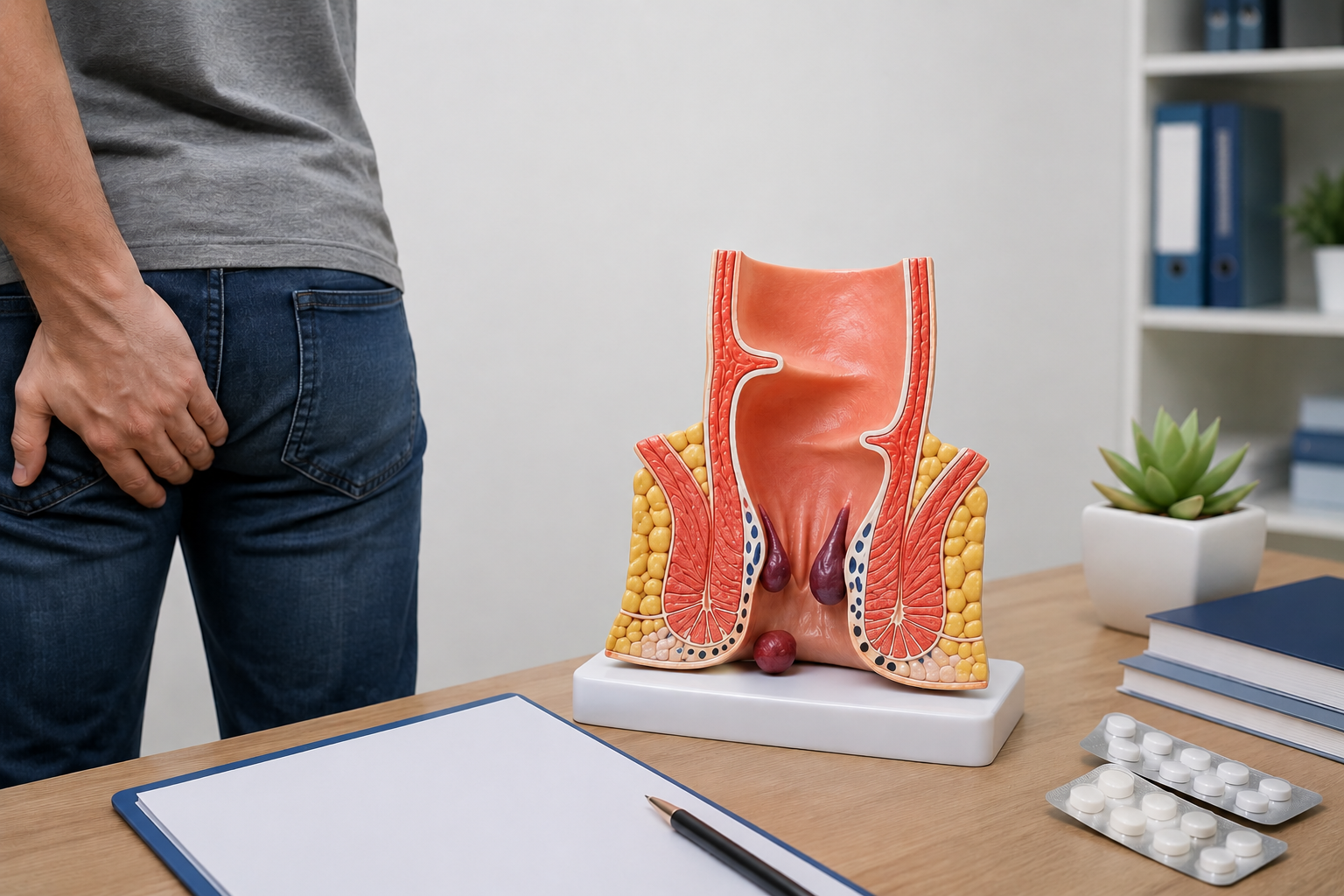
Hemorrhoids are a common condition that affects millions of people worldwide. They develop when veins in the lower rectum or around the anus become swollen, often leading to discomfort, itching, irritation, and sometimes pain during daily activities. While hemorrhoids can be frustrating, there are several treatment approaches that may help manage symptoms and improve comfort.
The best hemorrhoids treatment often depends on the severity of symptoms, lifestyle factors, and individual preferences. Some people find relief through dietary changes and self-care practices, while others explore topical products, natural remedies, or medical procedures. Understanding the available options can help individuals make informed decisions about their care.
Why Hemorrhoids Cause Pain and Irritation
Hemorrhoids can become uncomfortable when increased pressure affects the veins around the rectal area. Factors such as prolonged sitting, chronic constipation, pregnancy, heavy lifting, and straining during bowel movements are commonly associated with their development. When these veins become inflamed, symptoms such as itching, burning, swelling, and tenderness may occur.
Pain is often more noticeable with external hemorrhoids because they develop beneath the skin around the anus. Internal hemorrhoids may not always cause discomfort but can lead to bleeding or irritation if they become enlarged. Symptoms can vary significantly from one person to another, making individualized care important.
Many healthcare professionals emphasize identifying the underlying causes of hemorrhoids rather than focusing solely on symptom management. Addressing contributing factors may help reduce recurring flare-ups and improve long-term comfort.
Lifestyle Changes That Can Support Hemorrhoid Relief
For many individuals, simple lifestyle adjustments can make a meaningful difference. Increasing dietary fiber through fruits, vegetables, whole grains, and legumes may help soften stools and reduce straining during bowel movements. Drinking adequate water throughout the day also supports healthy digestion and regularity.
Physical activity can play a role as well. Regular movement encourages healthy circulation and may reduce prolonged pressure on the lower rectal area. Even short walks throughout the day can be beneficial for individuals who spend long periods sitting at work or at home.
Topical Treatments and Natural Approaches
Topical creams, ointments, and medicated wipes are commonly used to address temporary symptoms such as itching and irritation. Ingredients like witch hazel, aloe vera, and soothing moisturizers are frequently included in products designed for sensitive skin. Some individuals also explore homeopathic and botanical formulations as part of their personal care routine.
Natural approaches continue to attract interest among people looking for gentle options. Discussions about home remedies for hemorrhoids often include warm sitz baths, coconut oil, aloe vera gel, and other soothing ingredients that may help support comfort. While experiences vary, these approaches are widely used as complementary measures rather than standalone solutions.
Brands such as Amoils, Preparation H, and other well-known names are often mentioned in conversations about hemorrhoid care. Rather than focusing on a specific product, many people compare ingredients, application methods, and overall suitability for their individual needs.
When Medical Treatments May Be Necessary
Although many hemorrhoid cases improve with conservative care, some situations require professional medical attention. Persistent bleeding, severe pain, or symptoms that do not improve over time should be evaluated by a healthcare provider. In some cases, symptoms attributed to hemorrhoids may actually be linked to another condition.
Doctors may recommend procedures such as rubber band ligation, sclerotherapy, infrared coagulation, or surgery for more advanced cases. These treatments aim to reduce or remove problematic hemorrhoidal tissue when self-care measures are not sufficient.
People often search for guidance from a trusted seller, top brand, or best buyer choice list when exploring treatment options online. However, medical evaluation remains one of the most reliable ways to determine the most appropriate course of action, especially when symptoms become persistent or severe.
Choosing a Treatment Plan That Fits Your Needs
Managing hemorrhoids often involves a combination of approaches rather than relying on a single solution. Factors such as symptom severity, lifestyle habits, medical history, and personal preferences all influence treatment decisions. What works well for one person may not provide the same results for someone else.
Keeping expectations realistic is also important. Many treatments focus on symptom relief and preventing future flare-ups rather than delivering immediate results. Consistency with healthy habits often plays a significant role in long-term management.
For readers looking for evidence-based information, the American Society of Colon and Rectal Surgeons provides detailed educational resources about hemorrhoids, symptoms, and treatment options. Reliable medical guidance can help individuals separate common myths from practical, research-backed information.
Final Thoughts
Finding relief from hemorrhoid pain, itching, and swelling often begins with understanding the condition and exploring appropriate treatment options. Lifestyle changes, topical applications, natural approaches, and medical procedures each have a place depending on individual circumstances.
The most effective approach is usually one that combines symptom management with preventive habits. By focusing on healthy digestion, proper hydration, physical activity, and informed treatment choices, many individuals can improve comfort and reduce the impact hemorrhoids have on daily life. A balanced approach, supported by accurate information and professional guidance when needed, can help make managing hemorrhoids a more straightforward process.
