

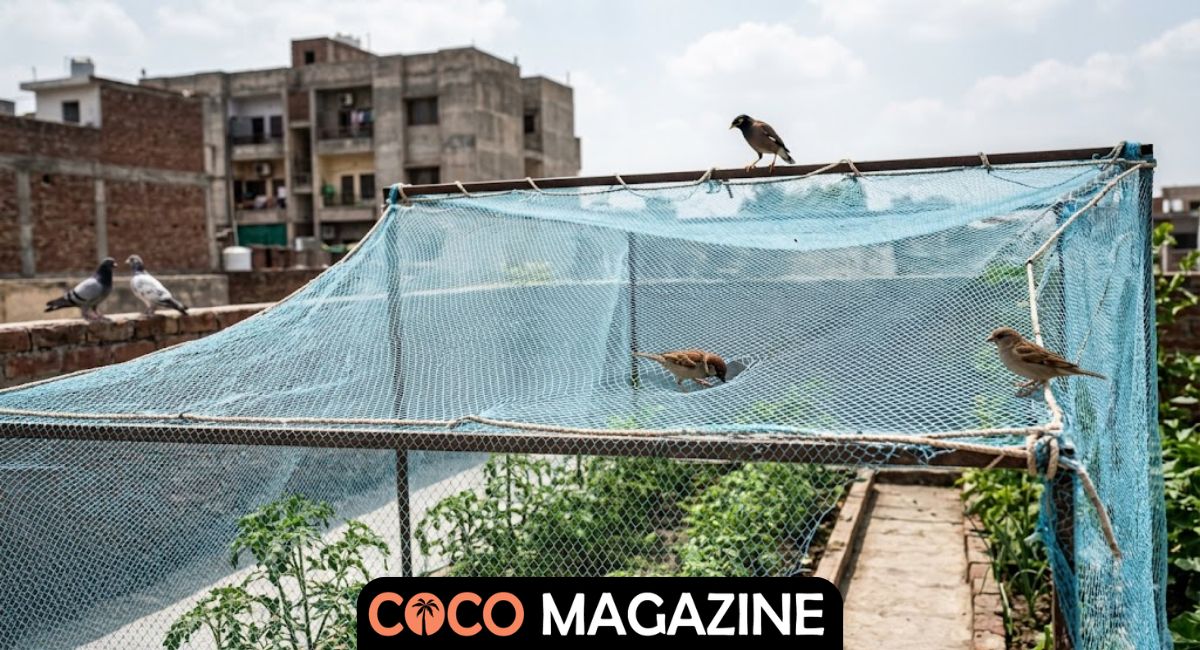
Bird Netting is one of the most effective and humane ways to protect homes, businesses, farms, and industrial properties from unwanted bird activity. Birds can cause costly damage by leaving droppings, blocking gutters, building nests, and affecting the appearance of your property. Installing Bird Netting creates a strong yet nearly invisible barrier that keeps birds away without causing them harm. Whether you need Bird netting installation for a balcony, warehouse, or commercial building, the right solution offers long-lasting protection and reduces maintenance costs.
From Bird proofing residential spaces to Commercial bird netting for large facilities, this guide covers everything you need to know about choosing, installing, maintaining, and maximizing the benefits of Affordable bird netting.
What Is Bird Netting and How Does It Work?
Bird Netting is a specially designed mesh barrier that prevents birds from entering or nesting in protected spaces. Instead of trapping birds, the net creates a safe obstacle that encourages them to fly elsewhere. This simple method works well because birds naturally avoid areas they cannot access. Property owners often install Bird netting installation around balconies, rooftops, loading docks, gardens, parking garages, and warehouses to reduce bird activity without affecting the appearance of the building.
The system is popular because it delivers reliable Bird control solutions while supporting Humane bird control. Many modern systems use Polyethylene bird netting, which is lightweight, durable, and designed to handle years of outdoor exposure. Combined with a Secure mounting system, the net stays firmly in place even during strong winds. Proper installation also blocks common Bird entry points, making it difficult for birds to return once the system is installed.
Definition of Bird Netting
Bird Netting is a protective mesh made from durable synthetic materials that keeps birds away from specific areas without causing injury. It acts as a physical shield rather than a trap. Because of this, it is recognized as a form of Environmentally friendly bird control that protects both property and wildlife.
How Bird Netting Prevents Birds from Nesting and Perching
Birds look for safe places to land, rest, and build nests. When a properly installed net covers these spaces, birds cannot reach them. This simple barrier supports Bird nesting prevention, reduces Bird infestation prevention, and creates an effective Outdoor bird barrier that works throughout the year.
Why Bird Netting Is a Humane Bird Control Solution
Unlike harmful deterrents, Bird Netting simply redirects birds to safer locations. It does not trap or poison wildlife. This approach makes it one of the safest options for Wildlife-friendly bird control and a trusted Safe bird deterrent for residential and commercial properties.
Common Materials Used in Bird Netting
Most professional systems use UV-resistant bird netting made from high-quality polyethylene or nylon. These materials resist sunlight, moisture, and changing weather conditions. They also create Long-lasting bird netting that requires little maintenance and offers dependable Property protection from birds for many years.
| Material | Best Use | Main Advantage |
| Polyethylene | Homes and businesses | Lightweight and weather resistant |
| Nylon | Heavy-duty applications | High strength and flexibility |
| Stainless Steel Mesh | Industrial facilities | Maximum durability and security |
Top Benefits of Installing Bird Netting
Installing Bird Netting offers much more than keeping birds away. It protects your investment, improves hygiene, and lowers maintenance expenses. Bird droppings contain acids that damage paint, metal, concrete, and roofing materials. Nests can block vents and gutters, creating expensive repair bills. A professionally installed net helps eliminate these problems before they become costly.
Another major benefit is peace of mind. You no longer need to worry about constant cleaning or birds returning every nesting season. Whether you own a home, retail store, warehouse, or office building, Affordable bird netting provides dependable protection that lasts for years. Combined with Professional bird netting installation, the system delivers excellent value while improving the appearance and cleanliness of your property.
Protects Buildings from Bird Damage
Bird droppings slowly damage roofs, walls, solar panels, and outdoor equipment. A quality Bird exclusion system prevents birds from reaching these surfaces. This improves Building façade protection and reduces expensive repairs over time.
Reduces Cleaning and Maintenance Costs
Cleaning bird droppings every week can become expensive. Installing Bird Netting supports Property maintenance savings because cleaning crews spend less time removing waste. It also helps create a Clean and hygienic environment for residents, employees, and visitors.
Keeps Outdoor Spaces Safe and Hygienic
Outdoor seating areas, patios, balconies, and gardens become more enjoyable when birds cannot nest nearby. Balcony pigeon protection improves comfort while reducing unpleasant odors and health concerns caused by bird waste.
Prevents Property Damage and Health Risks
Birds often carry mites, bacteria, and parasites that affect public health. Proper Bird proofing helps lower these risks by preventing birds from gathering near entrances, ventilation systems, and food preparation areas. This is why many businesses invest in Commercial property bird control.
Long-Term Cost Savings
Although installation requires an initial investment, quality Bird Netting reduces repair bills for many years. Most property owners spend far less on maintenance after installing a Low-maintenance bird netting system.
Fact: Studies show that preventing bird damage is usually far less expensive than repairing roofs, repainting buildings, or replacing damaged equipment.
| Benefit | Long-Term Impact |
| Cleaner property | Lower maintenance costs |
| Fewer bird nests | Better hygiene |
| Less structural damage | Higher property value |
| Reduced bird activity | Improved safety |
| Longer building lifespan | Better return on investment |
Different Types of Bird Netting for Residential and Commercial Use
Not every property requires the same type of Bird Netting. The right choice depends on the bird species, building size, weather conditions, and installation location. Homeowners often prefer lightweight nets for balconies and gardens, while factories and warehouses need stronger materials that can cover large open spaces. Choosing the right product improves durability and ensures better protection.
Modern manufacturers offer several netting options to meet different needs. Some products focus on flexibility, while others are built for maximum strength. Professional installers evaluate your property before recommending the best solution. This customized approach creates Customized bird netting solutions that provide reliable protection for many years.
Knotted vs. Knotless Bird Netting
Knotted netting offers excellent strength and performs well in demanding environments. Knotless netting has a smoother appearance and blends better with modern buildings. Both options work well when installed correctly using Professional net installation techniques.
Polyethylene Bird Netting
Polyethylene bird netting remains one of the most popular materials because it resists moisture, sunlight, and harsh weather. It creates Durable bird net installation systems that perform well for homes, offices, and industrial buildings.
Nylon Bird Netting
Nylon netting provides excellent flexibility and high tensile strength. It works well in locations where the net may experience frequent movement or tension.
Heavy-Duty Bird Netting for Industrial Buildings
Factories, airports, warehouses, and shipping facilities often require Industrial bird netting because these buildings have large open spaces. Heavy-duty netting protects valuable equipment while supporting Warehouse bird prevention and reducing maintenance costs.
Choosing the Right Mesh Size for Different Bird Species
Different birds require different mesh sizes. Small birds need finer mesh, while larger birds like pigeons require wider openings. Selecting the correct mesh improves Pigeon netting performance and supports effective Long-term bird prevention.
| Type of Bird Netting | Best Application | Key Benefit |
| Polyethylene Netting | Homes and offices | Weather resistant |
| Nylon Netting | Flexible installations | High strength |
| Heavy-Duty Netting | Warehouses and factories | Maximum durability |
| Knotless Netting | Residential buildings | Better appearance |
| Knotted Netting | Commercial properties | Extra strength |
Case Study: A distribution warehouse in Texas installed heavy-duty Warehouse bird netting after repeated pigeon infestations. Within six months, cleaning costs dropped significantly, bird nesting stopped completely, and employee safety improved because walkways stayed clean throughout the year.
Where Can Bird Netting Be Installed?
Bird Netting is one of the most flexible Bird control solutions available today. You can install it almost anywhere birds create problems. Many people think bird nets are only for balconies, yet they work just as well on warehouses, farms, office buildings, parking garages, and public spaces. A properly planned Bird netting installation protects valuable property while blending naturally with the building’s design. Modern netting is discreet, so most people hardly notice it from a distance.
The best results come from identifying where birds gather before installing the net. Pigeons, sparrows, starlings, and seagulls usually return to the same locations every day. Blocking those areas breaks their routine and encourages them to move elsewhere. This approach supports Bird prevention without harming wildlife. It also reduces maintenance costs and creates cleaner outdoor spaces that people can enjoy throughout the year.
Homes, Balconies, Patios, and Gardens
Homes are among the most common places where Bird Netting is installed. Birds often build nests on balconies, roof edges, patios, and pergolas. Installing Residential bird netting creates an invisible barrier that keeps birds away while allowing fresh air and sunlight to pass through. Many homeowners also choose Balcony bird netting because it keeps outdoor furniture clean and prevents constant washing.
Commercial Buildings and Office Complexes
Shopping centers, office buildings, hotels, and restaurants attract birds because they offer shelter and food. Professional Commercial bird netting protects entrances, outdoor seating areas, and rooftops. Many businesses also invest in Office building bird netting, Hotel bird control, and Commercial property bird control to improve customer experience and reduce maintenance expenses.
Warehouses, Factories, and Distribution Centers
Large industrial buildings have wide openings that attract pigeons and other birds. Installing Warehouse bird netting protects loading docks, storage racks, machinery, and inventory. It also improves workplace safety by supporting Warehouse bird prevention and reducing contamination risks.
Farms, Orchards, and Agricultural Fields
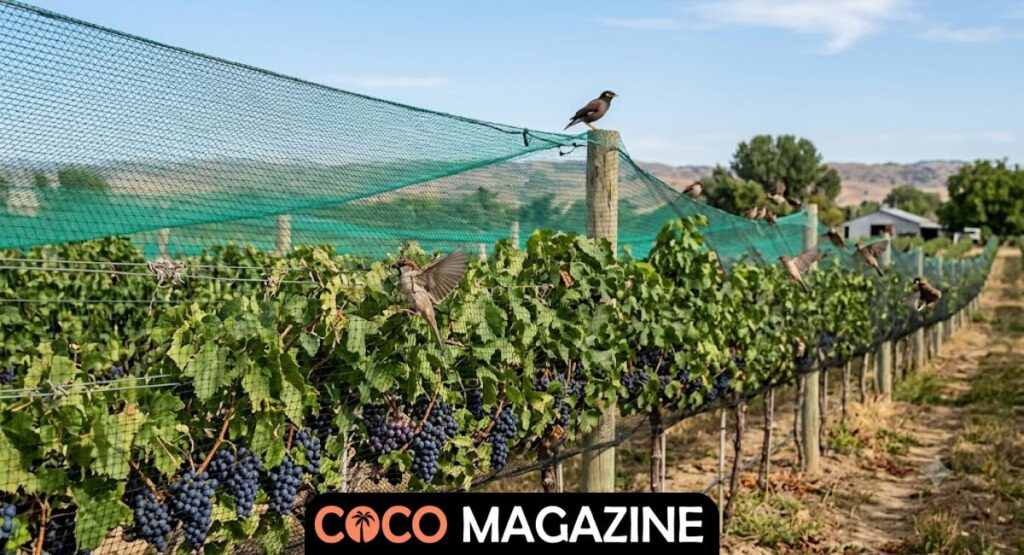
Farmers often use Bird Netting to protect fruits, vegetables, vineyards, and crops. Birds can destroy large portions of a harvest within days. Netting acts as a reliable Bird-safe netting system that protects crops without harming wildlife.
Parking Garages, Bridges, and Public Spaces
Parking structures, bridges, stadiums, schools, and hospitals frequently experience bird problems because they provide high resting areas. Installing School bird control, Hospital bird protection, and Rooftop bird protection systems keeps these locations cleaner and safer for visitors.
| Installation Area | Main Benefit |
| Homes | Cleaner balconies and patios |
| Office Buildings | Better appearance and hygiene |
| Warehouses | Protects inventory and equipment |
| Farms | Prevents crop damage |
| Parking Garages | Reduces bird droppings |
| Schools & Hospitals | Improves public safety |
How to Choose the Best Bird Netting for Your Property
Choosing the right Bird Netting is just as important as installing it correctly. Every property has different needs. A small balcony requires a different solution than a large warehouse or shopping center. Before buying any netting, you should consider the bird species, installation area, weather conditions, and expected lifespan. Taking time to evaluate these factors helps you avoid unnecessary costs later.
Quality always matters more than price. Cheap products may seem attractive at first. However, they often wear out quickly under sunlight and harsh weather. Investing in Affordable bird netting that uses premium materials gives you better value over time. Strong materials combined with expert installation create reliable protection that lasts for years.
Identify the Bird Problem First
Different birds behave differently. Pigeons, sparrows, and starlings require different mesh sizes and installation methods. Identifying the exact bird species helps installers recommend the most effective Bird proofing solution.
Select the Right Netting Material
Most professionals recommend Polyethylene bird netting because it combines strength with flexibility. It also resists moisture and maintains its shape even after years of outdoor exposure.
Consider Weather Resistance and UV Protection
Outdoor netting must survive rain, snow, wind, and intense sunlight. Choosing Weather-resistant bird net products with UV-resistant bird netting helps extend the life of the system and reduces replacement costs.
Match the Mesh Size to the Bird Species
Mesh size plays a major role in performance. Smaller birds require finer openings, while pigeons need larger mesh designed specifically for Pigeon netting applications. Selecting the correct size improves overall protection.
Compare DIY and Professional Installation Options
DIY kits may work for small projects. Larger buildings require Professional bird netting installation because trained technicians understand structural safety, proper tension, and secure anchoring. Their experience creates Professional bird proofing systems that perform much better over time.
Expert Quote: “The best bird net is not always the most expensive one. It is the one that matches your building, bird species, and local climate.”
| Buying Factor | Why It Matters |
| Material Quality | Increases durability |
| Mesh Size | Improves bird exclusion |
| UV Protection | Extends lifespan |
| Installation Quality | Prevents gaps |
| Warranty | Adds long-term value |
Bird Netting Installation Process: Step-by-Step Guide
A successful Bird netting installation begins with careful planning. Simply attaching a net over an area will not deliver lasting results. Every section must fit tightly without leaving gaps where birds can enter. Professional installers inspect the property first and then design a custom solution that matches the building’s shape. This process improves both appearance and performance.
Good installation also protects the building itself. Modern systems use high-quality hardware that prevents damage to walls and roofing materials. Combined with strong anchoring methods, these components keep the net secure during changing weather conditions. This careful approach creates dependable protection for both residential and commercial properties.
Inspect and Measure the Installation Area
The first step involves measuring every opening and locating all Bird entry points. Accurate measurements reduce material waste and ensure complete coverage after installation.
Gather the Necessary Tools and Materials
Professional installers use premium netting, stainless steel cables, anchors, clips, and a Secure mounting system. Many projects also include Corrosion-resistant fittings to improve durability in outdoor environments.
Install Mounting Hardware Securely
Strong mounting points are essential for long-lasting performance. Technicians carefully install support cables before attaching the net. This process creates a stable foundation for Long-lasting bird netting.
Attach and Tension the Bird Netting
Once the framework is complete, the net is stretched evenly across the protected area. Proper tension prevents sagging and improves the overall appearance. This also supports effective Bird exclusion system performance throughout the year.
Perform a Final Inspection for Complete Coverage
Before finishing the project, installers inspect every corner for openings or loose connections. They make final adjustments to ensure complete Property protection from birds and reliable long-term performance.
| Installation Step | Purpose |
| Site Inspection | Identify bird activity |
| Accurate Measurements | Ensure proper fit |
| Mounting Hardware | Support the net securely |
| Net Installation | Block bird access |
| Final Inspection | Verify complete protection |
Case Study: A shopping center in Florida experienced daily pigeon problems around its food court. After a Professional bird netting installation, bird activity dropped dramatically within weeks. Cleaning costs decreased, customer complaints disappeared, and the outdoor dining area became much more inviting.
Bird Netting Cost: Factors That Affect Pricing
The cost of Bird Netting depends on several important factors. Some projects only cover a small balcony, while others protect large warehouses or commercial buildings. Because every property is different, installation costs vary based on size, materials, labor, and project complexity. A simple residential project may cost only a few hundred dollars, while a large industrial installation requires more planning and specialized equipment. Even so, Bird Netting often pays for itself by reducing repair bills, cleaning expenses, and property damage.
Many property owners focus only on the initial price. However, long-term value matters much more. High-quality netting lasts for many years and needs very little upkeep. Choosing Affordable bird netting made from durable materials helps you avoid frequent repairs and replacements. When experienced installers complete the work correctly, the system continues protecting your property with minimal maintenance.
Size of the Installation Area
Larger buildings require more netting, cables, and installation time. Covering a warehouse or factory costs more than protecting a single balcony because the project uses additional materials and labor.
Type and Quality of Bird Netting
Premium materials increase the initial price, yet they provide much better performance. Products made with Dubai climate-resistant netting, UV-resistant bird netting, and Weather-resistant bird net technology resist sunlight, moisture, and temperature changes for many years.
Labor and Installation Costs
Labor costs depend on the difficulty of the project. Multi-story buildings, unusual roof designs, and hard-to-reach areas require more time and specialized equipment. Choosing Professional bird netting installation ensures the system works correctly from day one.
Property Accessibility and Project Complexity
Properties with narrow spaces, high ceilings, or complex architectural designs require additional planning. Installers may need lifts, scaffolding, or custom hardware to complete the project safely.
Maintenance and Replacement Expenses
Quality Bird Netting requires very little maintenance. Strong materials and proper installation reduce repair costs and extend the system’s lifespan. This makes Low-maintenance bird netting an excellent long-term investment for homeowners and businesses alike.
| Cost Factor | Effect on Price |
| Installation Area | Larger areas cost more |
| Material Quality | Premium materials increase durability |
| Building Height | Difficult access raises labor costs |
| Installation Method | Professional work improves performance |
| Future Maintenance | Better quality lowers long-term expenses |
Did You Know? Many businesses recover the cost of Bird Netting within a few years because they spend far less on cleaning, repairs, and pest control.
Maintenance Tips to Extend the Life of Bird Netting
Although Bird Netting is designed for long-term use, regular maintenance helps it perform even better. Dust, leaves, twigs, and other debris can collect on the net over time. Removing these materials keeps the system working properly and reduces unnecessary strain on the mesh. Fortunately, maintenance is simple and usually takes very little time.
Routine inspections also help you find small problems before they become expensive repairs. Checking cables, clips, and anchor points every few months ensures the system remains secure throughout changing weather conditions. A little maintenance today can prevent major expenses tomorrow.
Inspect the Netting Regularly
Walk around your property every few months and inspect the net carefully. Look for loose cables, damaged sections, or signs of wear. Early repairs help maintain Building maintenance protection and improve overall system performance.
Clean Dirt, Leaves, and Debris
Leaves and dirt can collect on the net after storms or windy weather. Removing this debris helps preserve Long-lasting bird netting and keeps the installation looking clean.
Repair Small Tears Before They Grow
Even a small tear can become a larger problem if left untreated. Repair damaged areas as soon as possible to maintain effective Bird droppings prevention and continuous bird protection.
Check Mounting Hardware and Tension
Inspect all cables, clips, and mounting hardware regularly. Tightening loose connections keeps the net secure and maintains the strength of the Secure mounting system.
Prepare Bird Netting for Seasonal Weather Changes
Heavy rain, snow, and strong winds can place additional pressure on outdoor netting. Seasonal inspections help protect your investment and support Durable bird net installation throughout the year.
| Maintenance Task | Recommended Frequency |
| Visual Inspection | Every 3 months |
| Remove Debris | As needed |
| Repair Minor Damage | Immediately |
| Check Mounting Hardware | Every 6 months |
| Professional Inspection | Once each year |
Simple Tip: Spending just a few minutes inspecting your net every season can add several years to its lifespan.
Common Mistakes to Avoid When Installing Bird Netting
Even the highest-quality Bird Netting cannot perform well if it is installed incorrectly. Small mistakes often create openings that birds quickly discover. Once birds find a gap, they continue returning to the same location. Careful planning and accurate installation prevent these problems before they start.
Many homeowners try to save money with DIY installations. While this approach may work for very small projects, larger buildings require professional knowledge. Experienced installers understand how birds behave and know how to eliminate every possible entry point without affecting the building’s appearance.
Choosing the Wrong Mesh Size
Different birds require different mesh sizes. Using oversized mesh allows smaller birds to pass through. Selecting the correct size improves Bird prevention and delivers better overall results.
Leaving Gaps Around Edges
Birds only need a small opening to enter a protected area. Carefully sealing every edge strengthens the Bird exclusion system and improves Bird nesting prevention.
Using Low-Quality Materials
Cheap netting often weakens after prolonged sun exposure. Investing in UV-resistant bird netting and Weather-resistant bird net materials helps prevent early replacement.
Installing Without Proper Tension
Loose netting sags over time and creates easy landing areas for birds. Proper tension keeps the system neat while improving Property protection from birds.
Ignoring Routine Maintenance
Many people install bird netting and forget about it completely. Regular inspections help detect small issues before they become larger repairs. This simple habit supports effective Long-term bird prevention.
| Common Mistake | Better Solution |
| Wrong Mesh Size | Match mesh to bird species |
| Loose Installation | Maintain proper tension |
| Poor Materials | Choose premium netting |
| Open Gaps | Seal every edge carefully |
| No Maintenance | Schedule regular inspections |
Case Study: A retail center installed inexpensive netting without sealing the roof edges. Pigeons quickly found the gaps and continued nesting inside the building. After replacing the system with Professional bird proofing, the bird problem disappeared within weeks.
Why Professional Bird Netting Installation Is Worth It
Installing Bird Netting may seem simple, yet professional work delivers much better results. Experienced installers understand bird behavior, structural safety, and the best installation methods for different buildings. They also recommend the right materials based on your location, climate, and bird species. This careful planning helps the system perform efficiently for many years.
Professional installation also protects your investment. Skilled technicians use quality hardware, accurate measurements, and proven techniques that reduce future repairs. Whether you need Residential bird netting, Commercial bird netting, or Warehouse bird netting, expert installation provides dependable protection while preserving the appearance of your property.
Expert Site Assessment
Every successful project begins with a detailed property inspection. Bird control specialists identify bird activity, locate Bird entry points, and design Customized bird netting solutions that fit your building perfectly.
High-Quality Materials and Secure Installation
Professionals use premium materials such as Polyethylene bird netting, Corrosion-resistant fittings, and durable support cables. Combined with Professional net installation, these materials create a strong and reliable system.
Compliance with Safety Standards
Experienced installers follow industry safety standards throughout the project. This protects both workers and property owners while ensuring the installation remains secure for years.
Long-Term Performance and Warranty Benefits
Many professional companies provide warranties for materials and workmanship. This gives property owners extra confidence and supports Property maintenance savings because future repair costs remain low.
Better Value Than Repeated DIY Repairs
Although DIY installation may cost less initially, repeated repairs often become more expensive over time. Investing in Professional bird netting installation delivers stronger performance, longer service life, and greater peace of mind.
| DIY Installation | Professional Installation |
| Basic tools | Specialized equipment |
| Limited experience | Skilled technicians |
| Higher risk of gaps | Complete coverage |
| Shorter lifespan | Long-lasting performance |
| Frequent repairs | Lower maintenance costs |
Expert Insight: “Professional installation is not simply about attaching a net. It is about creating a complete protection system that keeps birds away for many years while preserving the beauty and value of the property.”
Conclusion
Bird Netting remains one of the most dependable and cost-effective ways to protect residential, commercial, agricultural, and industrial properties from unwanted bird activity. It keeps birds away without harming them, making it an ideal solution for anyone looking for reliable Bird protection and responsible Bird control solutions. Whether you need Balcony bird netting for your home, Commercial bird netting for an office complex, Warehouse bird netting for a distribution center, or even inspiration from successful projects like Bird netting Dubai, modern netting systems deliver long-lasting results while preserving the appearance of your property.
Choosing premium materials and working with experienced professionals makes a significant difference. Features such as Professional bird proofing, Affordable bird control services, Professional bird netting installation, and a durable Bird-safe netting system provide lasting performance with minimal maintenance. By investing in quality Bird Netting today, you create a cleaner, safer, and more valuable property while enjoying dependable Bird prevention and peace of mind for many years to come.
FAQ’s About Bird Netting
What can I use instead of bird netting?
You can use bird spikes, bird wire, visual deterrents, ultrasonic devices, or bird repellents. However, bird netting remains one of the most effective and humane bird control solutions.
What is the best netting for birds?
UV-stabilized polyethylene bird netting is considered the best because it is durable, weather-resistant, lightweight, and suitable for long-term outdoor use.
Can birds get caught in bird netting?
When properly installed and correctly tensioned, quality bird netting is designed to keep birds out without trapping or harming them.
Does bird netting really work?
Yes. Bird netting is highly effective because it creates a physical barrier that prevents birds from entering, nesting, or perching in protected areas.
Which is better, black or white bird netting?
Black bird netting is usually preferred because it blends into the background and is less noticeable, while white bird netting is more visible and easier to inspect.
People Read Also: Eian Burton: Biography, Age, Family, Career, and Life Away from the Spotlight

Welcome to Coco Magazine! I’m a digital marketer and content writer with over 9 years of experience, helping brands grow through strategic content and ethical outreach. Guest contributors and collaborators are always welcome here.