

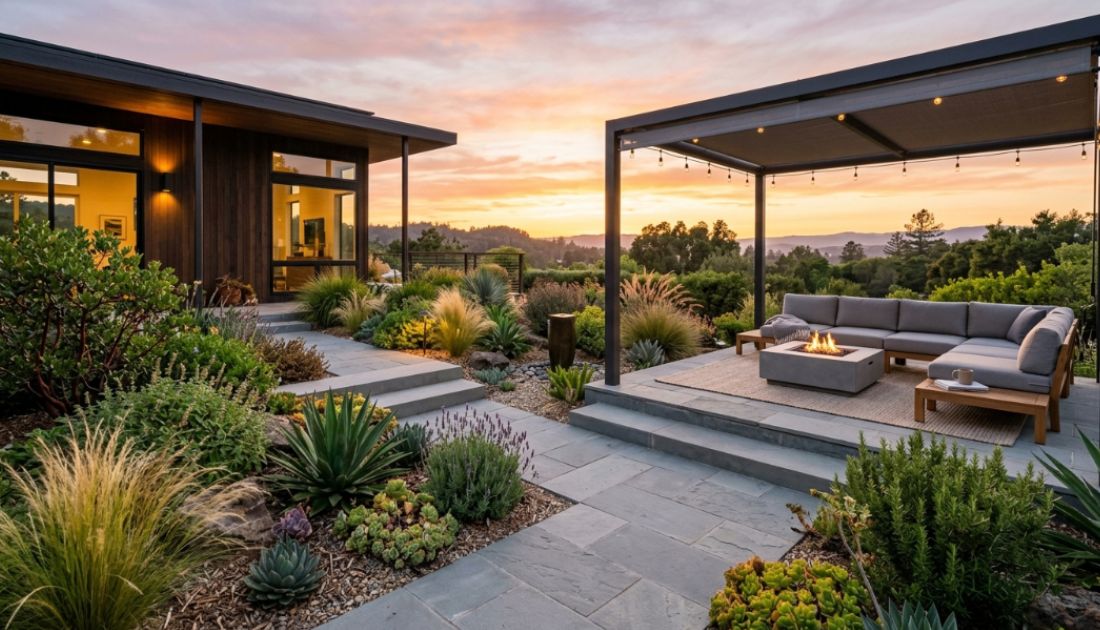
For plenty of Australian homeowners, the dream is simple enough. A yard that looks tidy, feels welcoming, and does not demand every spare weekend. That is a fair ask, really. Between work, family, sport, and the odd attempt at having a social life, the backyard can slip down the list faster than a sausage at a Sunday barbecue.
Low-maintenance outdoor design is not about stripping everything back until the space feels plain. It is about making clever choices that hold their shape, suit the climate, and stay looking decent without constant fuss. In Australia, that matters even more. Harsh sun, sudden downpours, salty coastal air, and dry spells all have a habit of exposing anything flimsy or overcomplicated.
The good news is that a tidy outdoor area does not need to be difficult. A few well-chosen design decisions can save hours of upkeep and still give the place a polished look.
Start with structure, not decoration
When outdoor spaces feel messy, it is often because they lack clear structure. The eye wanders. Paths blur into garden beds. Fencing, screening, and storage all seem to fight each other for attention. A stronger layout fixes a lot of that before any decorative touches even begin.
Think of the backyard like a room with no walls. Without shape, it feels unfinished. With structure, everything settles. That might mean clean-edged garden beds, simple paving, or screening that gives privacy without making the area feel boxed in.
This is where materials matter. Timber can look beautiful, but it often asks for sanding, sealing, repainting, and the occasional stern look after a wet season. Composite, steel, and other modern finishes tend to hold up better with less drama. That alone can be worth its weight in weekend peace.
Choose fencing and screening that work hard
Fencing is one of those things people often ignore until it starts peeling, warping, or looking tired. Then suddenly it is all anyone notices. A smart fence or screen does more than mark boundaries. It shapes the whole feel of the outdoor area.
For busy homeowners, durable screening is often the quiet hero. It can hide bins, soften neighbouring views, and give a clean backdrop for plants or seating. A sleek fence line also makes the whole yard feel neater with very little effort.
Midway through planning, many homeowners look for something that balances style with practicality, and slat fencing tends to fit that brief nicely. It gives a crisp finish, suits modern homes, and usually asks for far less attention than older timber options. That is the sort of trade-off that makes sense when time is short and weekends are already spoken for.
In suburban streets across Australia, especially where homes sit close together, screening can make a huge difference. It gives a bit of privacy without turning the yard into a fortress. Nobody wants to feel like they are sitting in a bunker while having a cup of tea in the sun.
Keep planting simple and climate-friendly
Garden beds can be lovely, but they can also turn into a full-time job if the plant choices are wrong. A low-maintenance garden leans on hardy, drought-tolerant species that suit local conditions. That means less watering, less pruning, and fewer sad-looking plants throwing up the botanical equivalent of a white flag.
Australian natives are a strong choice for many areas. They usually cope well with heat and can handle the occasional rough patch. Grevilleas, lomandras, westringias, and dianellas often give good shape without becoming needy little divas. In coastal spots, plants that tolerate salt and wind are especially handy.
Mulch helps too. It keeps moisture in the soil, cuts down on weeds, and gives beds a finished look without much effort. A thick layer of quality mulch can make a garden look cared for even when life gets hectic. Little tricks like that go a long way.
Planting tips that save time
Stick with plants that suit your climate zone.
Group plants with similar water needs together.
Use groundcovers to reduce bare soil and weed growth.
Choose slower-growing shrubs so pruning stays manageable.
Hardscaping can be your best mate
Grass has its place, but too much of it can become a headache. Mowing, edging, fertilising, patching, and watering soon add up. Hardscaping takes some of that burden off the table. It also gives outdoor areas a neat, contemporary feel.
Paved areas, gravel zones, raised planters, and decked sections create usable space without the same level of maintenance as open lawn. Even a modest courtyard can feel larger and more polished once the layout is tightened up.
In many Australian homes, especially on smaller blocks, a mix of paving and planting works better than trying to squeeze in a large patch of grass. It looks intentional. It behaves better in dry weather. And, truthfully, it saves a fair bit of groaning when the mower has to come out.
Lighting that earns its keep
Outdoor lighting is often treated as an extra, but it should really be part of the plan from the start. Good lighting improves safety, extends the use of outdoor areas, and adds a nice bit of atmosphere after dark. The best bit? It does all that without asking much in return.
Solar lights can work well in the right spots, especially along paths or around garden edges. LED fittings are another solid option because they last longer and use less power. If lighting is placed with care, it can make even a simple backyard feel well considered.
Soft uplighting along a fence, for example, can make a small space feel more refined. A few warm lights near seating can do wonders too. Nobody wants to feel like they are sitting under a shopfront security lamp during a quiet evening drink.
Outdoor furniture should be easygoing too
There is no point designing a low-maintenance yard and then filling it with furniture that fades, rusts, or needs constant oiling. Outdoor pieces should suit the pace of the household. Materials like powder-coated aluminium, treated steel, and weather-resistant resin tend to hold up well in Australian conditions.
Simple silhouettes often work best. They are easier to clean, less fussy in appearance, and usually age more gracefully. Cushions with removable covers are worth a look too. If a sauce spill happens during a barbecue, life is easier when the fabric can be thrown in the wash instead of being mourned forever.
Storage also helps. A bench with hidden storage or a compact outdoor cupboard can keep things like kids’ toys, cushions, and gardening bits tucked away. Less clutter means less maintenance and a calmer-looking space overall.
Use edging to keep everything in line
Garden edging might not be the most glamorous part of outdoor design, but it does a lot of heavy lifting. It keeps grass from creeping into beds, stops gravel from wandering off, and gives the whole space a sharper finish. That neat border can make a yard look far more deliberate with very little upkeep.
Steel, aluminium, and concrete edging tend to last well and need little attention once installed. Even simple edging can help reduce the amount of time spent trimming and tidying. That is the kind of small improvement that pays off quietly, week after week.
In hotter parts of Australia, edging also helps define zones so plants and paths stay distinct. That makes the garden easier to manage and easier to read at a glance. A tidy edge can be oddly satisfying too. There is something about a straight line that just feels right.
Make every choice earn its place
Low-maintenance outdoor design works best when every element has a job to do. A screen gives privacy. A planting choice saves water. A paving run cuts down on mowing. A light helps after sunset. Nothing sits there purely for show, although it can still look good while being useful.
That approach suits busy Australian homeowners very well. It keeps the outdoor area attractive without turning it into a project that never ends. The whole point is to enjoy the space, not spend every free moment wrestling with it.
There is a lovely kind of ease in walking outside and seeing a yard that simply works. Not perfect. Not precious. Just neat, practical, and ready for a quiet coffee, a family lunch, or a lazy Sunday afternoon when nobody feels like doing much at all.
A final thought on smart outdoor design
The best low-maintenance outdoor spaces are not the most elaborate ones. They are the ones that suit the household, the climate, and the amount of time available to keep them going. For Australian homes, that often means tough materials, hardy plants, clear structure, and a few well-placed design details that do their job without making a song and dance about it.
That is really the trick. Keep it simple, keep it solid, and let the space breathe. The result feels relaxed, looks good, and leaves more time for the better things in life, like sitting down with a cold drink and not thinking about weeding for once.
People Read Also: Geometry Learn V3: Complete Guide to Features, Benefits, Geometry Concepts, and Learning Methods (2026)
